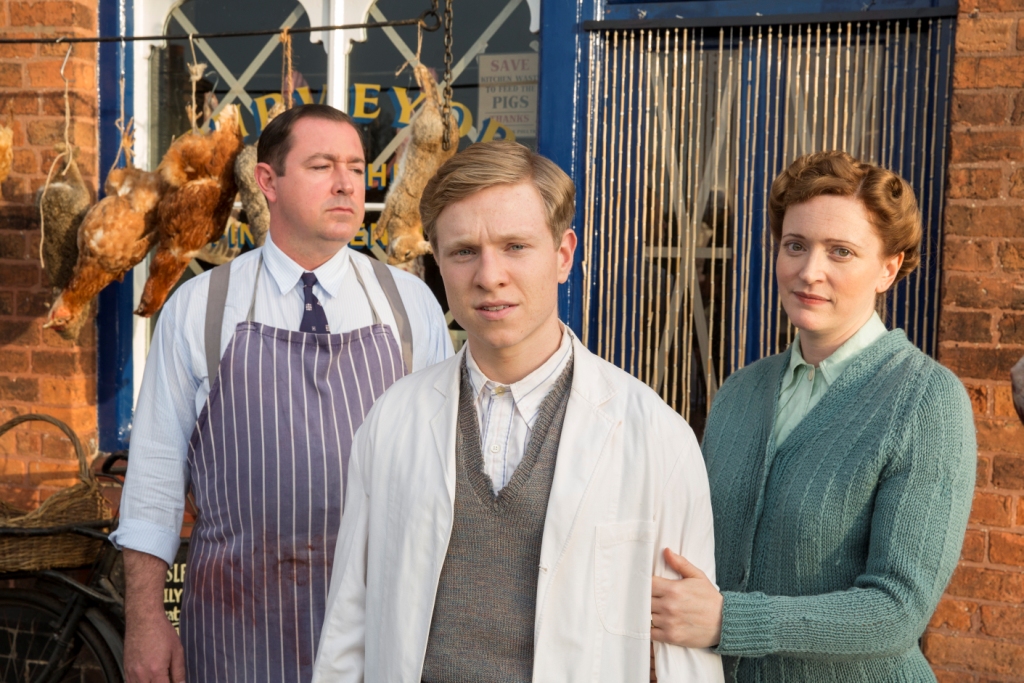
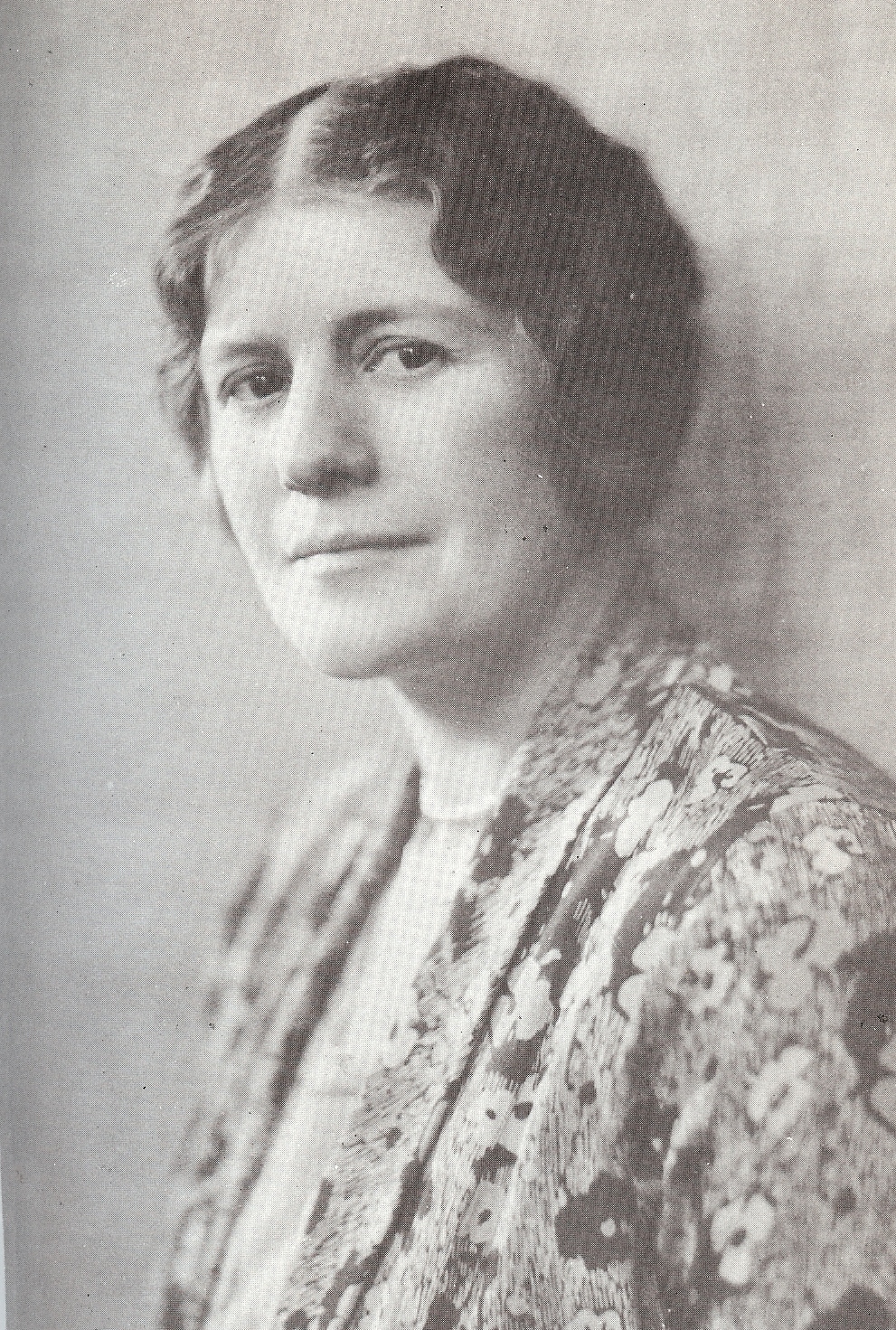
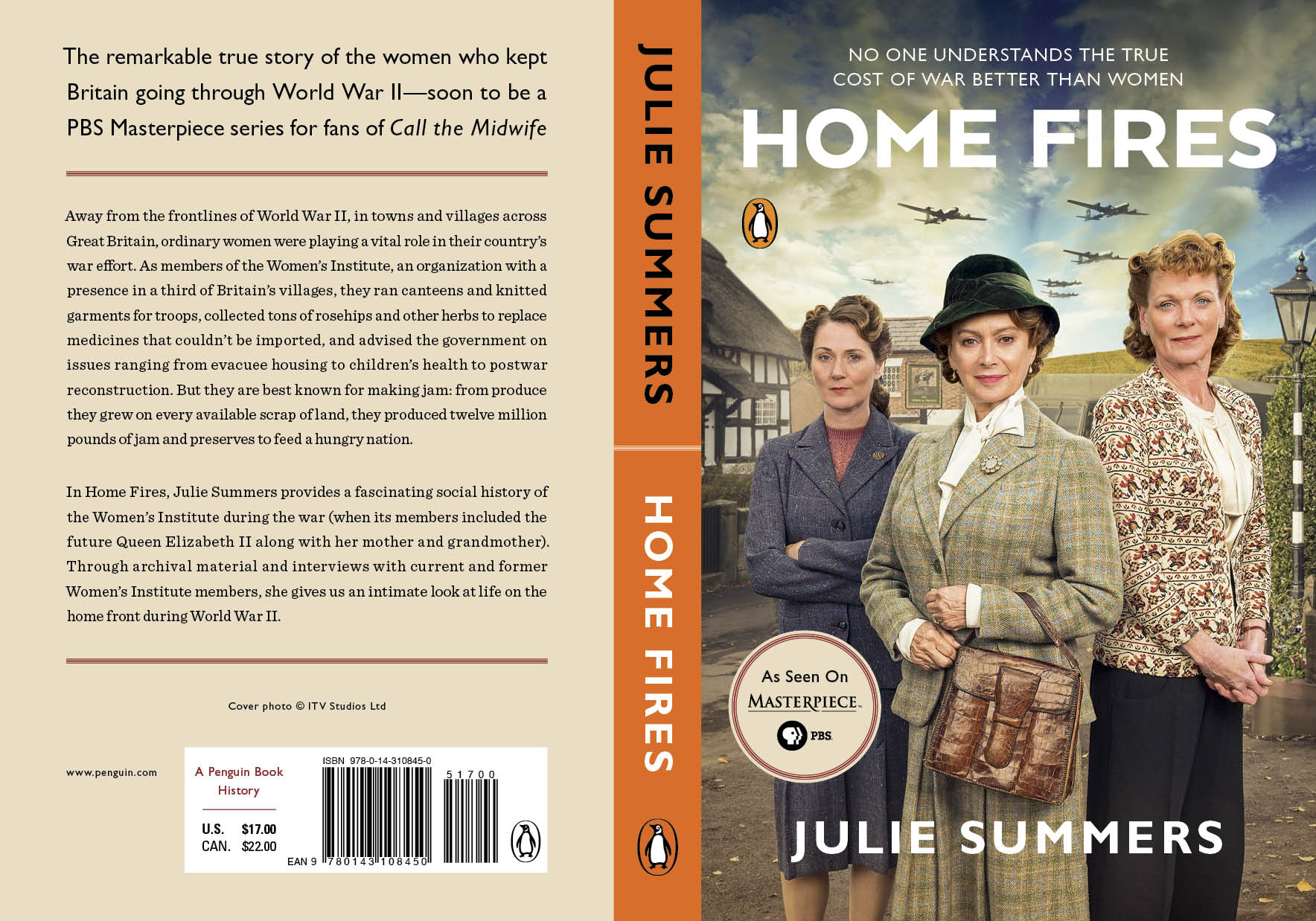
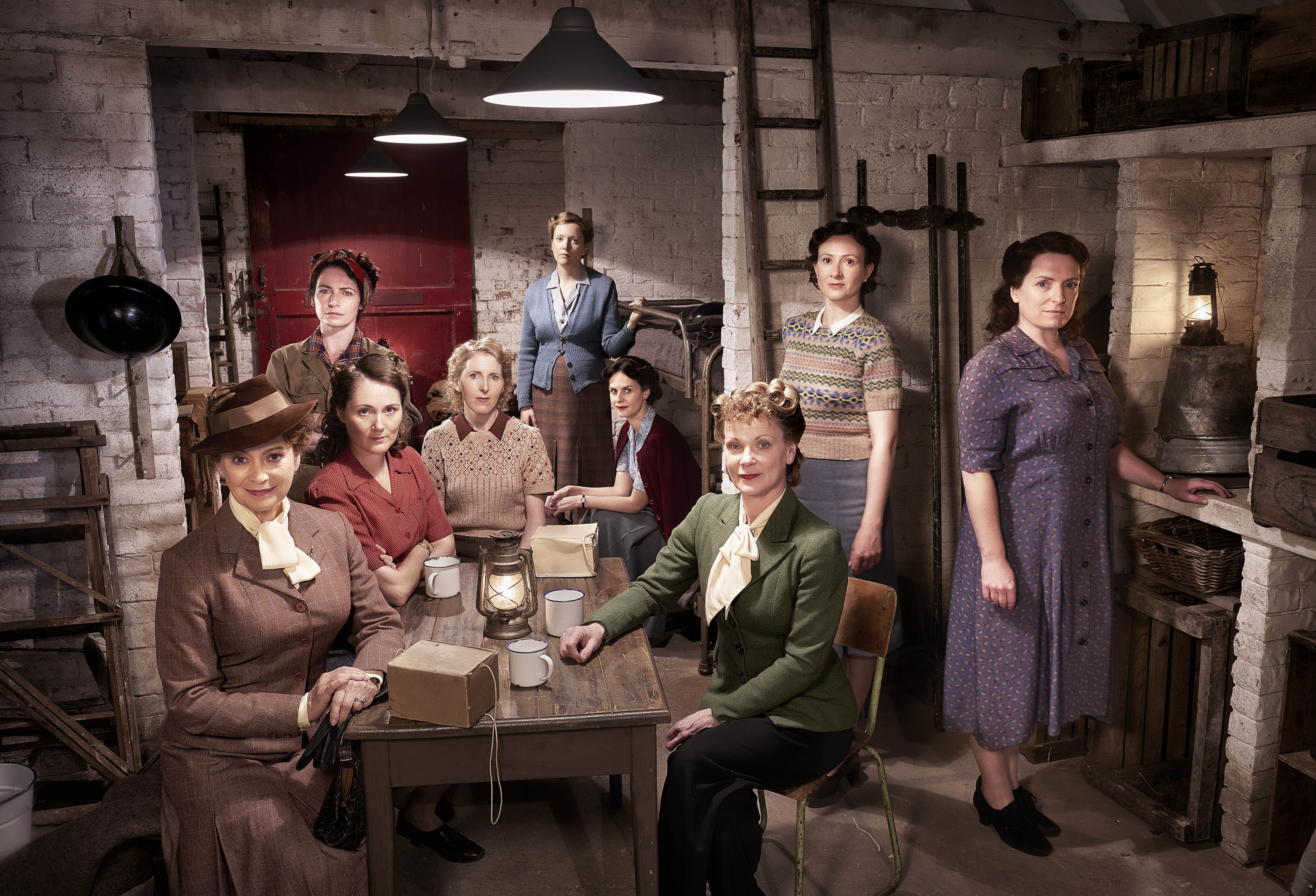
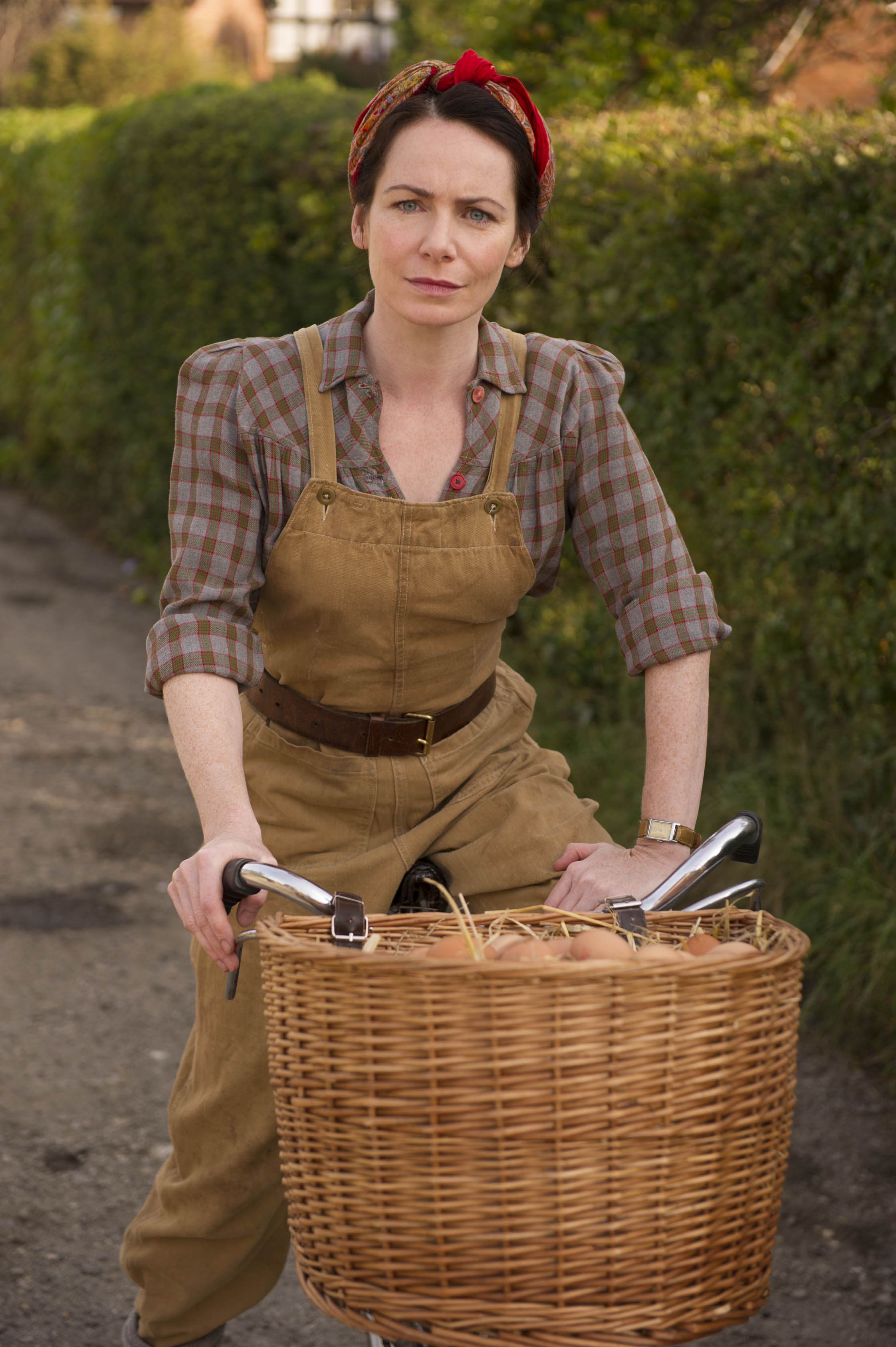
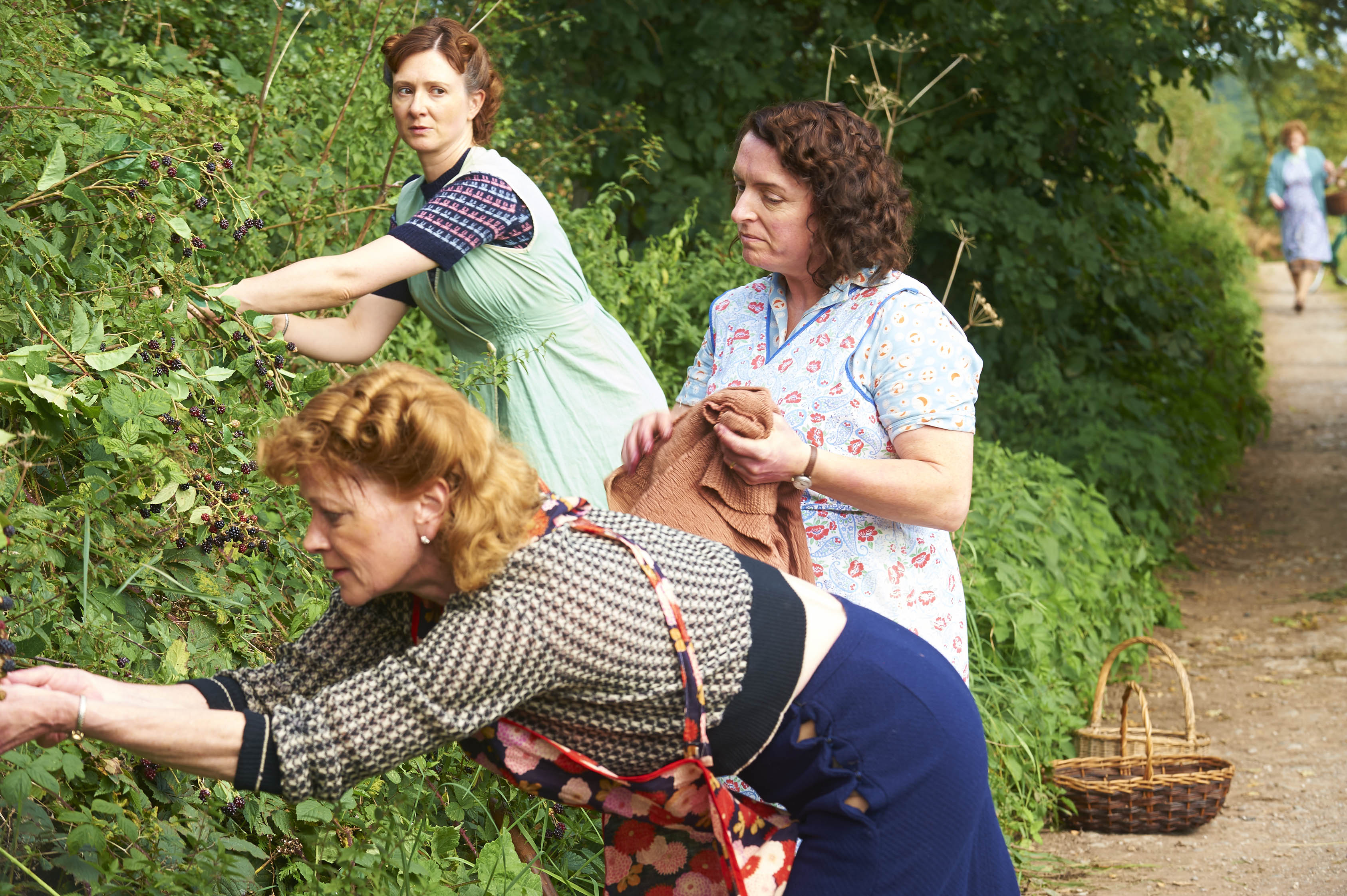
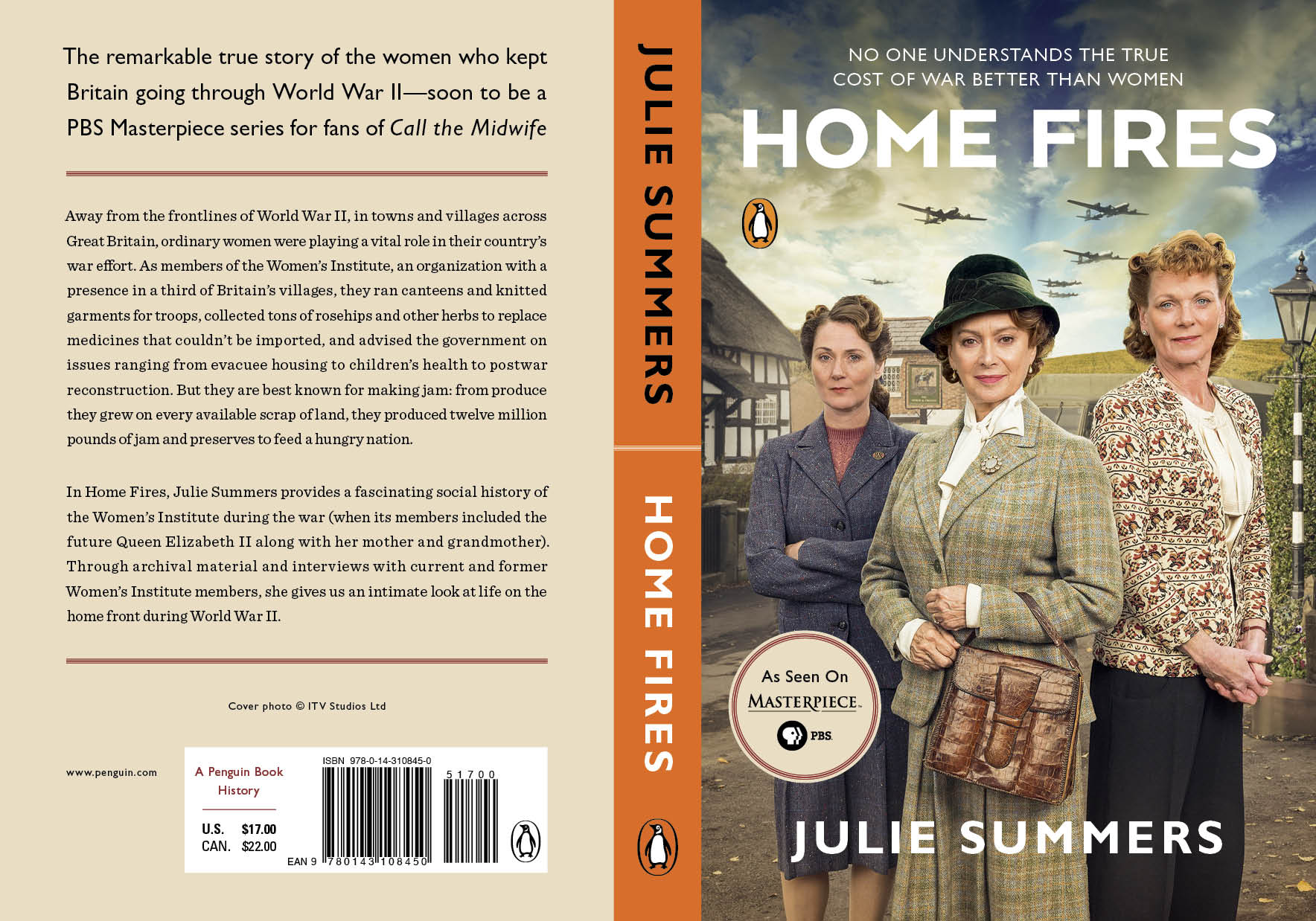
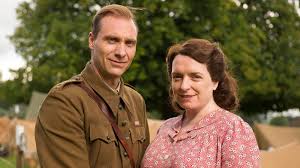
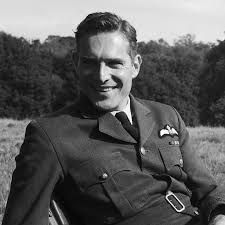
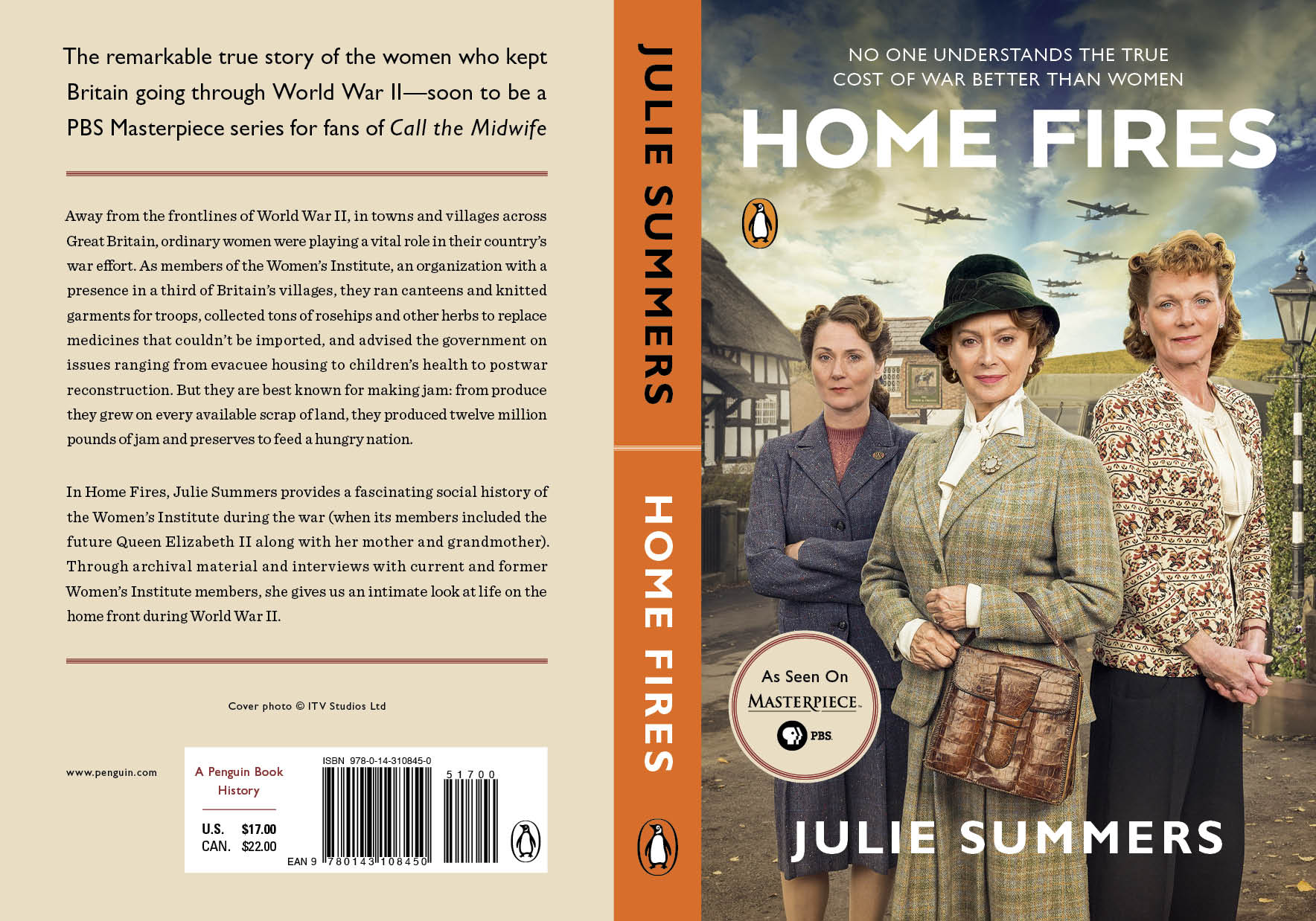
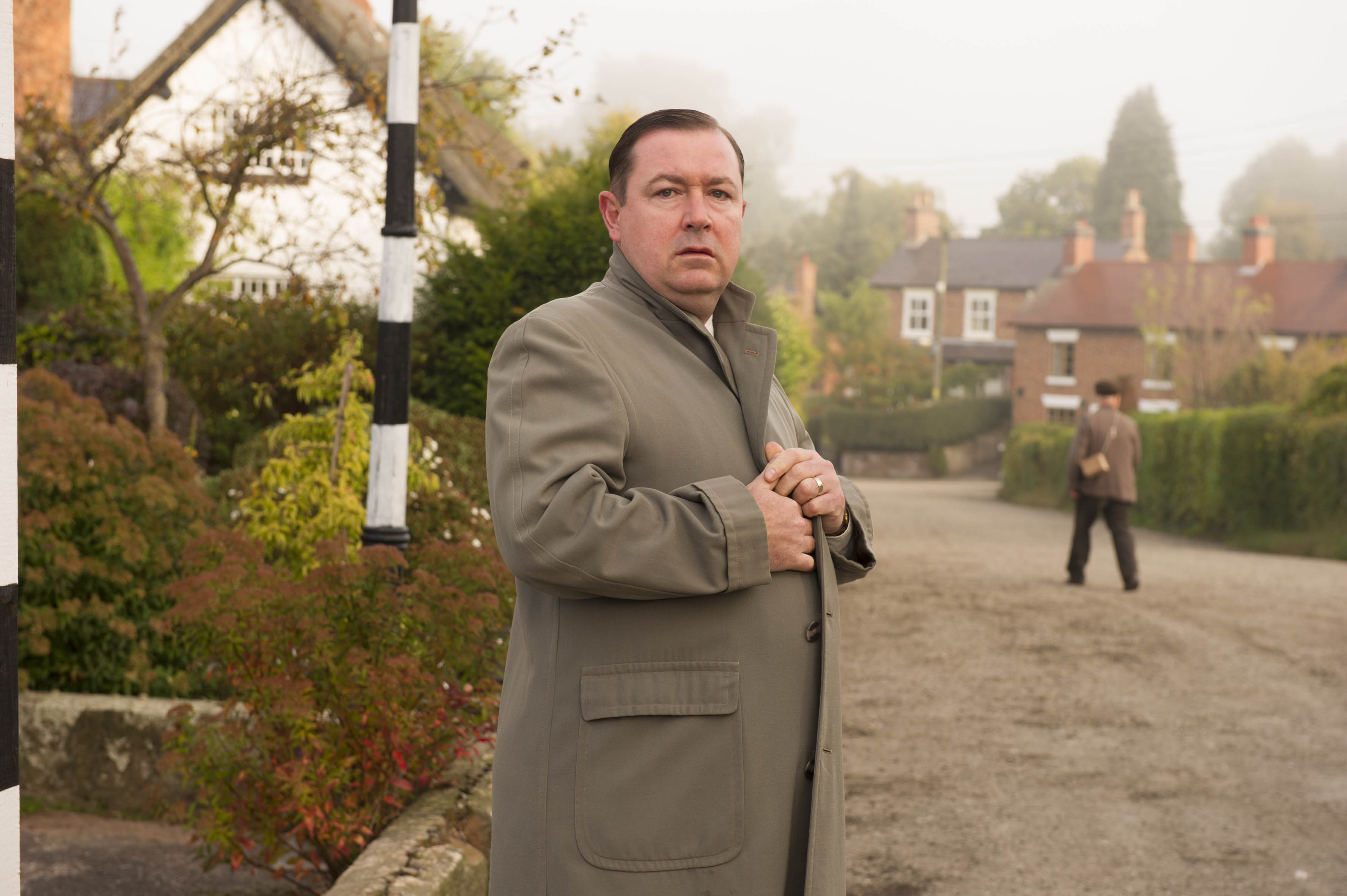
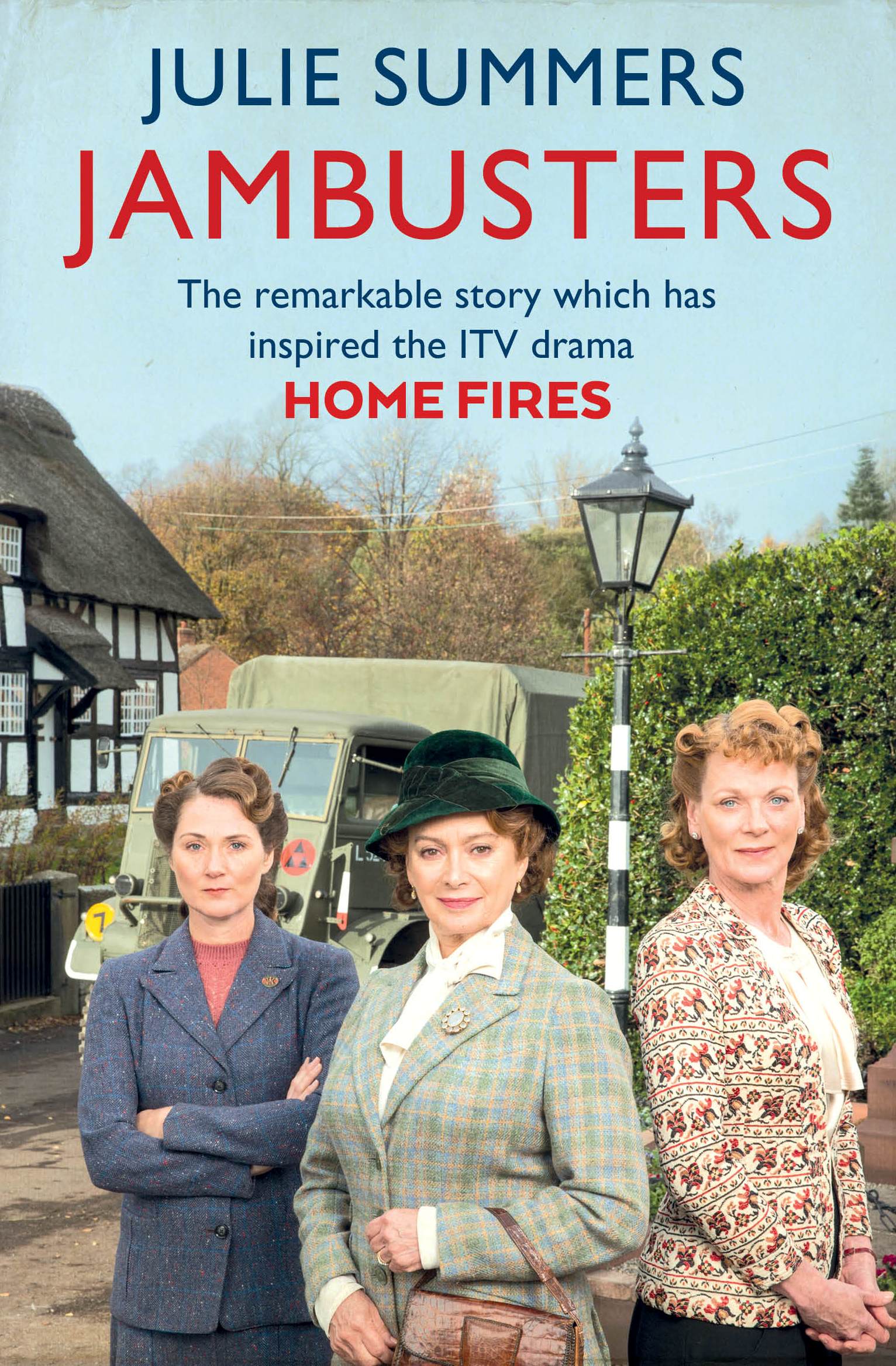
This book came about as a challenge from Julie’s editor to see if the Women’s Institute did anything interesting in the Second World War. As a result of the research she carried out over four years the conclusion she inevitably came to was that there a wealth of material. The year after the book was published ITV bought the rights to turn it into a television drama. It ran under the name of Home Fires for two seasons in 2015 and 2016. The true story of the country women who kept the countryside ticking is what is on offer in Jambusters (Home Fires in the USA and Canada).
Topics to consider for discussion might include:
Coming just 21 years after the First World War what do you think women feared most from the Second World War?
How much did the WI’s Pacifist stance affect the way it was perceived by the British Government?
How important was a sense of humour during the war?
Were you able to relate to any of the characters in the book and if so, what drew you to them?
Has the author got the balance right between using her research to tell the factual story and her writing abilities to create an engaging narrative?
Do you think today’s women would rally to the support of the government in a future war and if so, what would be their main focus?
Did this book change your opinion on the Women’s Institute or the role of women on the Home Front in the war?
This is the transcript of a speech I gave to mark the unveiling of a blue plaque at the gates of the house where my grandfather lived in the early twentieth century. The people of Merseyside voted him the person most deserving of recognition. There was a huge turnout of Toosey relatives as well as two former prisoners of war, Maurice Naylor (96) and Fergus Anckorn (98) who unveiled the plaque. My son Richard read the words of the Japanese camp guard.
Brigadier Sir Philip Toosey CBE, DSO, TD, JP (12 August 1904 – 22 December 1975)
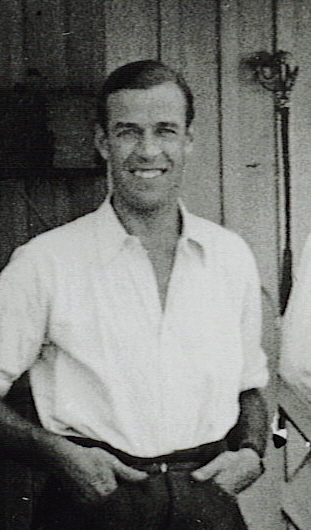
Brigadier Sir Philip John Denton Toosey was born in Upton Road in 1904 and moved to 20 Rosemount in 1910. Over the course of his life he played a role in the lives of many, many people from all walks of life: from Liverpool to Lima, from Barings Bank to the Bridge on the River Kwai and from Oxton to Africa. He had the ability to make you feel as if you were the only person who mattered at that moment in time, whether you were being praised on parade, being given a severe rocket for leaving bicycles on a train or drawing on the dining room wall paper. Latterly people felt his gaze upon them as he fundraised energetically for the Liverpool School of Tropical Medicine.
He was more than his title would suggest. His kindness, his delicious sense of humour, his repertoire of whistles and his passion for life never waned. He shared this passion with all who came into contact with him. To his friends he was Phil, and sometimes ‘Dear old Phil.’ To his wife, Alex, he was Philip with a particularly plosive P when she was cross with him. To his three children, Patrick, Gillian and Nicholas he was ‘The Captain’,named after Captain William Bush RN, a fictional character of extreme efficiency and loyalty in CS Forester’s Horatio Hornblower series. Thus to us his grandchildren he became Grandpa Bush. To his men he was the Colonel and later The Brig and to the thousands of people he met over the course of his working life he was simply Mr Toosey.
To one man, however, he was a figure of such significance that he changed the course of this man’s life. Sergeant Major Teruo Saito was second in command at Tamarkan in Thailand when Colonel Toosey and his men marched into the bridge camp on the River Kwai to the tune of Colonel Bogey. Saito was a regular army officer from the Imperial Japanese Army and although his methods of discipline were brutal, Toosey always argued that Saito knew how to handle men and there formed an unlikely bond between the two of them based on mutual respect. Toosey wrung concessions out of Saito for his men, such as rest or Yasume days, a canteen and the right to discipline his own men rather than leave it to the Japanese. In return he agreed to keep the camp clean and morale high, which in itself saved hundreds of lives. In 1943 Toosey was involved in a plot to help two officers and seven soldiers escape. The men were all captured and executed. Toosey told Saito that only he had known of the plan and as such he was subjected to a severe beating and was forced to stand to attention for twenty-four hours in the tropical heat – a humiliation initiated by Saito as a way to show the Kempi Tai (the Japanese equivalent of the Gestapo) that he had dealt with the situation. Saito’s actions undoubtedly saved Toosey from an even more unpleasant fate.
This photograph of the Bridge on the River Kwai was given to Toosey in 1955
At the end of the war when Toosey was asked to help screen the Japanese and Korean guards for war crimes he told the investigators that Saito should be set free. This made an enormous impression on the Japanese. In 1974 he wrote to Toosey:
For long period of time I have been harbouring the wish to meet you and express my thanks to you. I especially remember in 1945 when the war ended and when our situations were completely reversed. I was gravely shocked and delighted when you came to shake me by the hand as only day before you were prisoner. You exchanged friendly words with me and I discovered what a great man you were. Even after winning you were not arrogant or proud. You are the type of man who is a real bridge over the battlefield.
After the war Toosey, like most of the former POWs, struggled to settle back into civilian life. He was helped by his firm, Barings, and by his activities with the Far Eastern Prisoners of War Federation of which he was Chairman from 1966 to 1974
A decade later, in what would have been Toosey’s 80th year, Saito came to Britain at the invitation of Professor Peter Davies, Toosey’s first biographer. They visited the grave in Landican cemetery and Saito expressed surprise that there was no great monument but a simple headstone.
Saito at Toosey’s grave on 12 August 1984 on what would have been Toosey’s 80th birthday
He asked to spend a few moments at the grave as to say a prayer, for he had converted to Christianity after the war. Later that afternoon he came here to tea with Patrick and Monica and saw 20 Rosemount. He returned to Thailand and wrote to Peter and Patrick:
I feel very fine because I finish my own strong duty. One thing I regret, I could not visit Mr Philip Toosey when he was alive. He showed me what a human being should be. He changed the philosophy of my life.
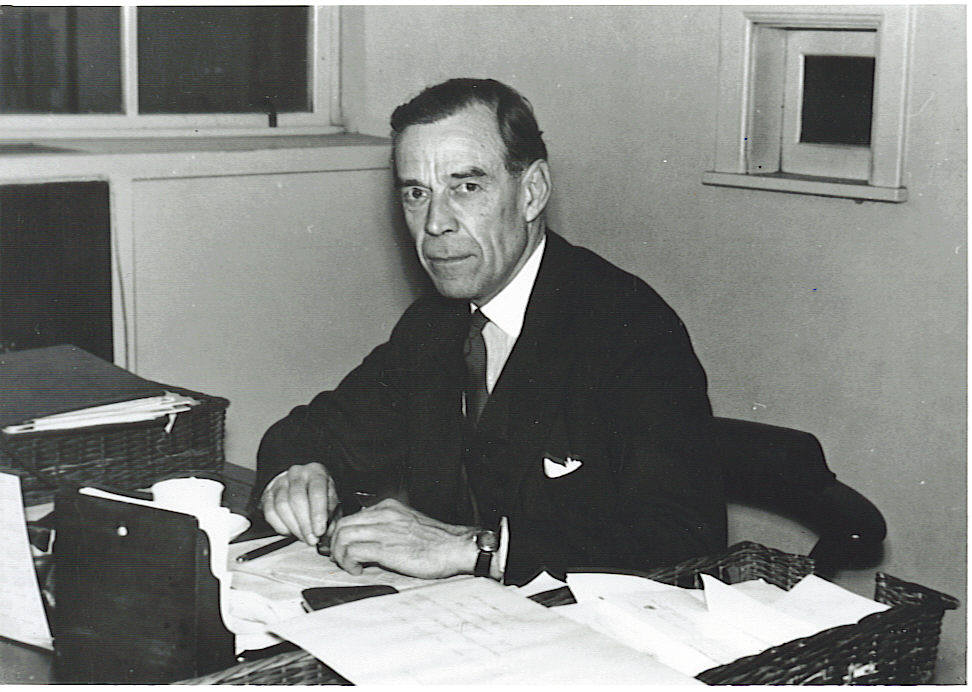
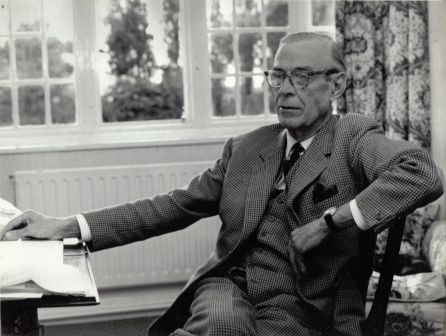
Phil Toosey in his study at Heathcote 1974Three generations of Tooseys: l-r Nick Toosey (son); Arthur Toosey, Gillian Summers, Georgia Toosey, Giles Toosey, Stephanie Hickish, Richard Steele, Evelyn-Mary Matthews
Today is the first of five days of the Henley Royal Regatta, the rowing world’s equivalent of Wimbledon or Lords. It has been part of Britain’s summer social calendar since 1839 and it has been little altered over the last one and three quarter centuries. Two crews battle side by side along 2,112 metres of river followed by an umpire in a beautiful wooden launch and watched from the bank by tens of thousands of spectators. Because rowing is essentially someone sitting on a seat going backwards as fast as they can it has, like cricket, endless records and silly names though, unlike cricket, most races are completed in under ten minutes. Just occasionally a race is won in such a spectacular way that it joins the ranks of Henley legends. Ten years ago this year one such race captured everything that is magical about the regatta and I was there to witness it. Here is the story:
Sunday 8 July 2007 and the market town of Henley-on-Thames is enjoying a warm afternoon. On the Buckinghamshire bank of the River Thames the scene is one of colour, pageantry and tradition: blue and white striped boat tents marshaled neatly between the pink and cream Leander Club hard up against Henley Bridge, and the white marquees housing the grandstands and Stewards enclosure on the downstream side. It is finals day of the regatta, the day when lives are changed forever by the outcome of an individual race. At 3:50pm two crews of nine boys line up at the start, next to the lozenge shaped island in the middle of the river crowned by an elegant temple designed by the 18th century English architect, James Wyatt. The umpire is standing in a handsome launch, arms raised holding a red flag vertically above his head waiting for the two coxes to indicate that their crews are all set. ‘Are you ready?’ He sweeps the flag down sharply. ‘Go!’ Sixteen blades dip into the water. They are off.
Upwards of 100,000 people attend Henley Royal Regatta each July. It is an event caught in a bubble of history with echoes of a bygone era everywhere: fine hats, striped blazers, picnics in the car park come rain or shine, decorated launches bobbing on the white booms that line the course, Pimms jugs clinking with ice, champagne and oysters, a brass band playing military tunes, and all the while a titanic battle is being fought on the water. Brentwood had dispatched the favourites, Eton, in the semi-finals the day before and Shrewsbury had beaten Radley in a slower time.There is expectation and excitement all along the river bank – not least in the Stewards’ Enclosure where nervous parents fidget, check their watches, exchange anxious glances and wonder why the commentator has not mentioned the race yet. But patience. Then the deadpan announcement over the loudspeaker: The final of the Princess Elizabeth Challenge Cup is in progress between Brentwood College on the Berkshire station and Shrewsbury School on the Buckinghamshire station. Brentwood College are the Canadian National School Champions. No mention of Shrewsbury’s pedigree.
At the end of the island, both crews rating forty-two, Brentwood College lead Shrewsbury School by half a length. Forty strokes in from the start and the Canadians already have a half-length lead. Six minutes to go. The grandstand is full of Shrewsbury supporters. There is barely a free seat, the atmosphere tense. Elsewhere people are milling around the bars and chatting. Henley is, after all, a great social event. It marks the end of the summer season, after Ascot, and coincides with Wimbledon.
At The Barrier, Brentwood College maintain their lead of half a length over Shrewsbury School. Time to The Barrier, 1 minute 58 seconds. A buzz. One second faster than yesterday. The Barrier is one of two points where intermediate times are taken, times that later will be scrutinised, compared, delighted at or despaired over. The spectators downstream can see the action first. Crowding along the river bank they get close-up views of the two crews battling it out in the early stages of the race.
The next timing point is Fawley. Now there is a change: At Fawley, Brentwood College’s lead over Shrewsbury School has been reduced to a quarter of a length. The grandstand is in spasm, spectators begin to move towards the river bank sensing a spectacle. Downstream the shouting has increased and the excitement is palpable. Can the home crew crack the Canadians? At The Three-Quarter Mile Signal Brentwood School led Shrewsbury School by 2 feet. The grandstand is on its feet, a roar is moving up the bank like a giant wave. Half the race gone. At the Mile Signal, Shrewsbury School had taken the lead. Wild elation but fear too. The Canadians were not about to give up and Shrewsbury supporters knew that. ‘We could see them now and it looked hell’, wrote housemaster Martin Humphreys to crew member Tom Hanmer’s parents. ‘Shrewsbury on the far side pounding away, looking a bit scrappy and tired, to be honest. Brentwood on the near side and neat and long. When they came past us Shrewsbury had a quarter of a length lead, but I could see the Canadians were eating into it with every stroke. This was grim.’ At the progress board the crews are level. Just metres from the finish …
The two boats cross the line neck and neck. Then there is silence. The commentary ceases and the Finish Judge has to make his call. The wait seems interminable, time stands still. Then: The result of the Final of the Princess Elizabeth Challenge Cup was that Shr …. No need for the rest: the name of the winning crew is always announced first. The grandstand explodes in ecstasy … the verdict, one foot. More cheering. The narrowest, the shortest, the tiniest of winning margins imaginable, less than a sixtieth of the length of the boat.
For Brentwood College a bitter blow. To be a member of a losing crew, however epic the race, there are no prizes. For the boys of the winning crew and their parents, unsurpassed joy, a matter of lifetime pride and for one man in particular this is a sweet victory. Eighty-three-year-old Michael Lapage watched his grandson, Patrick, help to win this great battle. Nearly seventy years earlier, on the same stretch of river, Michael had won silver for Great Britain in the 1948 Olympic Games. The legacy of a Henley win is a long one. It unites generations and brings tears to the eyes of the strongest of men.
Five years later Patrick was rowing in the final of the Ladies Challenge Plate, this time for Harvard University against Britain’s Leander Club. From where I was standing close to the finish it was impossible to say who had won the race after six minutes of another titanic battle. The announcement came after what seemed like an age. The result of the Final of the Ladies Challenge Plate was that Harvard University of the United States of America beat Leander Club. The Verdict: one foot. Now what are the chances of that happening to the same young man five years apart?
I am looking forward with eager anticipation to this year’s Henley Royal Regatta and hoping for some more history to be made and to watching grown men cry.
As the second season of Home Fires draws to its dramatic close I thought I would concentrate on a question I have spent a great deal of time working on: the true cost of war The cost of the war in human terms. Not numbers of killed or wounded but the impact it had on their families.
One of the cruellest notifications a family could receive, short of killed, was Missing in Action. This was the fate of the Brindsley family in Home Fires. Miriam refused to believe that David was dead and held onto that hope against all the odds. In Jambusters I told the story of diarist Clara Milburn whose son, Alan, was posted as ‘missing’ after Dunkirk. Her diary entries over the summer of 1940 make haunting reading. In June she wrote: ‘How curious this life is. A sort of deep stillness comes over everything from time to time. There is not much traffic on the roads during the week and the village seems empty in the evenings. One misses the young life everywhere, particularly Alan coming in in the early evening.’ A month later there was still no news of her son: ‘Always one is thinking of him, wondering whether he still lives and if so, whether he is well, where he is, what he does all day, what discomforts he is suffering. If… if… And so the days go by.’ At the end of July she heard that he was a prisoner of war and hugged her husband ‘for sheer joy at the good news’. It was not until October that she received a letter from him, a full nine months after she had last spoken to him over the phone. Alan Milburn returned safely but a very changed man.
Dame Barbara Cartland in ATS uniform, c. 1942
For Barbara Cartland the news from France was the same as for Clara Milburn. Both her brothers, Ronald and Tony, were fighting with the British Expeditionary Force. Ronald wrote to his mother just before he went into action: ‘This is just to send you my love and bless you always. Don’t be anxious if there is a long silence from me – the fog of war is pretty impenetrable. We shall win in the end, but there’s horror and tribulation ahead of all of us. We can’t avoid it. What a waste it all is, but after months of desolation we shall gain and retain what you and I have always understood the meaning of – freedom.’ Barbara’s mother, Polly, had lost her husband in 1918 and knew full well the horror of the telegram. It came twice over that hot, dry summer of 1940. Both her sons were ‘missing’. In January 1941 came the terrible news that Ronald had been killed in action on 30 May 1940, hit in the head by a German bullet. Barbara wrote: ‘We had gradually been losing hope of hearing that he was alive – now we knew the truth. My mother was wonderful. “Missing” is the cruellest uncertainty of all, as she well knew, for my father had been missing in 1918; and that ghastly waiting, watching, hoping and praying was hers all over again – not twice, but three times, for Tony was still “missing”.’ Tony Cartland had been killed the day before his brother, hit by a shell. For Polly and Barbara Cartland there was no happy ending to their story.
In Home Fires there are men caught up in the same drama as the Cartland brothers and Alan Milburn. Sarah Collingbourne’s husband, Adam, is missing in France while David Brindsley has miraculously returned from an horrific accident at sea and Bob Simms, wounded at Dunkirk, was sent back to Great Paxford in an ambulance. It is easy to understand why Miriam clung so desperately to her belief that David was still alive and remarkable that he was able to come home.
Of the vicar’s fate we know little. Ronald Cartland described ‘the fog of war’ meaning there was confusion and chaos as indeed there was. And the pressure on families was immense. My grandfather was taken prisoner on Singapore on 15 February 1942 and the first official notice my grandmother received that her husband was alive but a POW was on Christmas Eve of that year, almost 11 months after he had been captured. For her the fog of war was exceptionally thick. And for her there was the added problem that as he was ‘missing’ he was neither dead, in which case she would have received a war widow’s pension, or alive, in which case he would have received army pay. So for nearly a year she and tens of thousands of other wives received no money.
How did they cope? Sometimes firms would make hardship payments to wives of men who had worked with them pre-war but more often than not they had to rely on family support or charities. The oldest military charity in Britain was SSAFA – the Soldiers, Sailors, Airmen and Families Association. It was founded in 1885 to provide lifelong support to serving men, women and veterans from the British Armed Forces and their families or dependents. In the Second World War SSAFA helped hundreds of thousands of families and their support was invaluable then, as it is still today.
So as this second season of Home Fires gives us a powerful finale, it is worth reflecting that there are very real parallels between the experiences of the fictional characters and their historic counterparts. We are going to be left with more questions than answers but then that reflects the true cost of war. Let’s just hope that one day we will get a third season to give us some answers.
When I am asked what it is about the Second World War that fascinates me so much I reply that it is not war but people who excite my interest: how individuals cope in a time of emergency and how such events impact upon their later lives. One of the practical aspects that had to be considered was clothing and it is something I am regularly asked about in regard to Home Fires. Just to be clear, I am not involved in the production of the drama – my involvement stops with the scripts – but I did have the great good fortune to talk to the series costume designer, Lucinda Wright, in the lead up to filming series 1 and she took me round the fabulous collections of clothes at Angels Costumes in London. Their website claims they have over one million items and eight miles of hanging costume. Well, I didn’t see them all but Lucinda and I did discuss colour and fabrics in some detail.
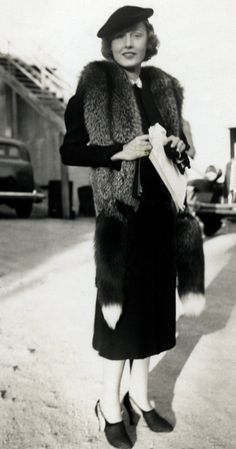
Everyone in Home Fires is dressed to their status. Steph Farrow wears dungarees in the fields but once she arrives at a WI meeting she is scrubbed clean and wearing a patterned dress, as would have been the case in the 1940s. Edith Jones, the wonderful diarist whose jottings form the golden thread through my book Home Fires, would always change into a frock in the evening for supper, even if it was just her and Jack eating dinner together. She is similar to Steph in many ways. At the other end of the spectrum is Joyce Cameron. Always meticulously turned out and often wearing fur. Until the 1970s when there was a huge animal rights’ movement against fur coats, women of a certain standing would have one, two or even three fur coats in their wardrobe: a mink for the evening, a pine-marten for day use and a fox stole to wear over a tweed coat.
One major change in Britain during 1940 was the proportion of people wearing uniform. You might not have noticed the change between series 1 and series 2 but it is striking and absolutely reflects what was happening in the country. About a third of the population of Britain were entitled to wear uniform during the Second World War. This would give a figure of somewhere in the region of 15 million people, a large number of whom were women. So we have in Great Paxford a mixture of RAF, Army and women’s service uniforms – that much is obvious. But then there are the women working in the Barden’s factory who all wear pinafores over their own clothes to protect them. Clare wears a uniform when she is working for Frances Barden as a maid, though not on her days off with Spencer. House coats, such as those worn by Pat, were popular and a sensible way to keep the wear and tear of ordinary clothes to a minimum.
With so many people wearing them, it is unsurprising that the general public knew how to ‘read’ uniforms across a street or at the scene of an incident, and could identify at a glance a man or woman’s job, rank and status. And it was very important to know and trust the person who was issuing an instruction, especially during the Blitz, when people needed to know who to listen to or appeal to in a crisis. Aside from emergencies, uniforms had a hierarchy with implications on many levels, some of them more personal than official.
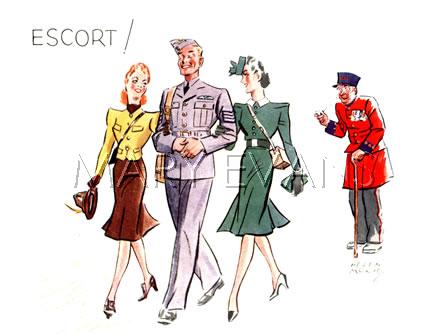
WW2 Christmas card, Escort! A Chelsea Pensioner looks in admiration at an RAF airman with an elegant woman on each arm. 1941
Some uniforms, such as the Royal Air Force blue, gave men real status in women’s eyes. This was partly because it comprised a smaller body of men than the army, and their jobs, especially the pilots, were considered heroic and extremely dangerous. They were known as ‘Our Glamour Boys’. The PBI (Poor Bloody Infantry) suffered in their khaki uniforms from being the least admired of the three services by the general public. Members of the women’s services (just over 100,000 in June 1941) were said to grade potential boyfriends in an order of eligibility in which ‘RAF officers rated tops, being classified in turn by rank and number of decorations; naval officers came second and brown jobs a long way behind’.
So as you are watching Episode 5 of Home Fires, it is worth looking out for the distinctions of dress and the way different people react to it. That is, if you have time to notice that level of detail when there is so much drama going on around you. This is another breathtaking hour where I lurched from near tears of enchantment to gasps of horror. Enjoy Sunday evening!
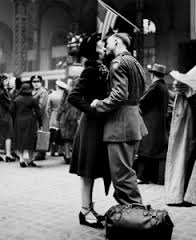
‘If you put men and women together in close proximity in a danger shared, a mutual attraction is not only the inevitable result, it is what we should expect, and we should be very surprised and perturbed from a national point of view if it wasn’t.’ Thus wrote the English novelist, Barbara Cartland in 1945. As a welfare officer for the women’s services during the Second World War she was warm, generous and young people responded to her: ‘No one has ever minded when I have talked to them, and I’ve been both personal and intrusive. Being a novelist helps. I don’t know why, but people always want to confide in novelists, and the other thing which I believe makes everything alright is the fact that I am sincere. I do believe what I say.’ There were those in society who judged young people who got into trouble and condemned them but Cartland thought that was unfair and wrong. They were young, in love, in danger and in a hurry.
From today’s perspective it is difficult to imagine or understand the stigma caused by extramarital affairs or illegitimate children. For both men and women during the war there was a sense that living for today was fine because tomorrow you might die and this spilled over into behaviour which to some seemed reprehensible but which to others was inevitable and not even particularly surprising. ‘War Aphrodisia’ was traditionally ascribed to men in battle and was a well-recognised condition. In total war, as the Second World War undoubtedly was for Britain and mainland Europe, a hedonistic impulse reached many other segments of society. Later in the war the American GIs turned many heads and over 60,000 GI brides made their way to the New World in the immediate aftermath of the Second War. But that is all in the future.
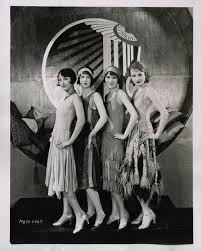
The emancipation of women in Britain after the First World War had led, briefly, to a more liberated attitude towards fashion and behaviour. One commentator wrote: ‘Women bobbed their hair, donned short skirts, smoked in public and wore the heavy makeup which had formerly been the attribute of the harlot.’ The seeds of emancipation had been sown and the flame was fanned hardest in the USA where the combination of a buoyant stock market, bootleg gin and the racy novels of F. Scott Fitzgerald fuelled the frenetic pace of the social revolution.
‘Jazz babies’ in Hollywood, 1927
Hollywood played its part, producing erotic films for a mass audience and elevating the leading stars to almost legendary status. Audiences flocked to films such as Alimony (1917), which promised ‘brilliant men, beautiful jazz babies, champagne baths, midnight revels, petting parties in the purple dawn, all ending in one terrifying climax that makes you gasp.’ The Great Depression put a stop to much of this and divorce rates in Britain plunged along with the stock market, reaching a low in 1933, down 40% from the 1928 level. The number of weddings also fell.
The circumstances of total war changed both attitudes and opportunities: ‘We were not really immoral, there was a war on,’ explained one British housewife. The ‘what the heck I could be dead tomorrow’ attitude of some of the fighter pilots, for example, brought many couples together and hastily arranged marriages, with often only forty-eight hours to spend together, were not uncommon. Few couples could consider what would happen after the war, when life might return to normal. They lived for that day and perhaps the next. ‘They were loved and beloved, and by this stage in the war love was about the only thing left unrationed.’
copyright ITV
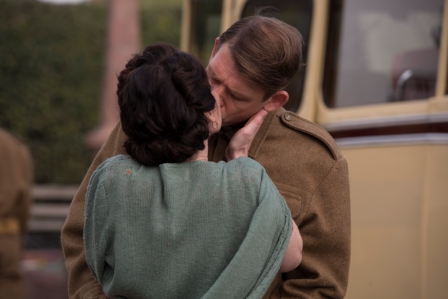
As we dig deeper into the fourth episode of HOME FIRES, war aphrodisia has reached Great Paxford. Electric tensions spark and shock around the village in the ferment of high drama. Pat’s nascent relationship with Marek has caused gasps and quickening heartbeats not just for careful observers like Erica, but for the rest of us watching on, agonising over her every move, desperate for her to duck and dive to avoid the eagle eye of Bob. How can she be so brave as to carry on her relationship with Marek while her deeply troubled husband is trying to exert his influence over her?
A contemporary description from a Manchester housewife in 1944 might throw some light on this: ‘There was nothing cheap about our affair, and if Rick had my body, my heart was with my husband and somehow I didn’t feel that I was doing anything wrong.’
Other relationships stop and start. Emotions that would normally have been ignored or suppressed, rise to the surface with a juvenile and intoxicating urgency. Some women find themselves almost out of their depth and exert a rigorous check on their emotions. Thanks to an intervention by Joyce Cameron in the last episode, Sarah Collingbourne is brought to an abrupt halt in her dalliance with the delightful, handsome and oh-so-eligible Wing Commander from RAF Tabley Wood.
But what of Miss Fenchurch? She might have danced with him at the Czech Camp but is there a chance of something in the future? Is Laura Campbell’s reputation going to blot out the early signs of love with Tom, the handsome young pilot who nobly stands up to the prissy but not-above-buying-black market-butter, Mrs Talbot? This fetid atmosphere of possibility belongs, of course, in a 9pm drama in 2016, but it accurately reflects the intoxicating atmosphere of the summer of 1940 when no-one knew what might happen next. The Second World War had entered a phase of unprecedented high stakes and it is not surprising that people reacted to it by questioning their tomorrow.
I am constantly excited and delighted by Simon Block’s brilliantly observed scripts. He has succeeded in chiming with the changing times. The pace of this series increases as the pace of the war did too. We never quite know what turn is to come next but when it comes it is both thrilling and fitting. Robert Quinn’s outstanding directing never lets us rest for a minute, yet it is not hurried. We are on the edge of our seats, as the country was in 1940. Home Fires is an all-round production with an exceptional cast, a superb production team and an energetic editorial and post-production set up that weaves the magic together as Samuel Sims’ music sprinkles the icing on the cake. Enjoy Sunday 23 April. It is a mesmerising episode.
The first section of this blog appeared in the USA in October 2015 and is an abridged version of a chapter in Stranger in the House, entitled Sex and Love in Times of War.
As episode 3 opens we find ourselves in mid-July 1940. The view from the USA looks bleak, as described in the New York Times that month. It is oft repeated but bears another repetition as it sums up so beautifully the parlous state of Britain at that moment in history:
The folk, old towns of Britain, the hills and cliffs and shores and meadows, rich with history, the homes and lives of forty-five million people, the great British traditions of human worth and dignity, the folk sayings, the deep wisdom and the long-suffering hopes of a race – these, not being pleasing to Hitler, are condemned…
From our own shores we cannot see the shadow over ancient gardens, over houses hoary with age, over the graves of poets and philosophers, and the tombs of the martyrs. We know only that one of the green and lovely oases of civilisation in the wilderness of man’s time on earth, is foully threatened and that the whole world for evermore will be the poorer if it falls.
The British Channel Islands, close to the French coast, have fallen into German hands. Hitler has told his military to plan for an invasion of the United Kingdom, to be called Operation Sea Lion. In Great Paxford Stanley Farrow firmly believes the operation will succeed. He has increased his determination to safe-guard the farm. With the help of Isobel he lays barbed wire and farm machinery across the fields.
People put all manner of blocks in the roads in an attempt to impede German progress following an invasion
Meantime, Little Stan has other ideas about how to prepare for the Germans. All over the country people were anxious, trying to work out who might be a spy or an enemy, and some ridiculous misunderstandings arose, as we shall see. All foreign nationals were picked up and imprisoned either in jails or in camps on the Isle of Man. Many of the men were later freed, as they were considered no serious threat to the country, and were enlisted in the Pioneer Corps. But for the time-being the atmosphere was febrile.
The summer of 1940 saw an increase in the number of foods rationed. In March all meat was rationed and in July tea and margarine were added. Tea rationing was particularly unpopular but there were ways to increase the quantities of food available on the ration. Gardens were turned over to vegetable growing and the Women’s Institutes were very active in growing onions and tomatoes for their local country markets. Yet some things were very hard to come by in quantity and this is where people became resourceful and traded illegally. Much has been written about the Black Market, most of it speculative, because few records were kept and although some dealers were caught by the police, many were not. What I have always found more interesting and believable is the Grey Market. That was not even an official title, so vague were the lines that people were prepared to cross. People in the countryside had greater access to fresh food during the war and were happy to exchange honey for home-made lard, or eggs for butter. It was not illegal but some frowned upon it. Mainly, I suspect, if they had nothing to exchange or barter.
In Home Fires I wrote about a WI member called Sibyl Norcott whose father, Mr Shacklady, sailed very close to the wind. He had added pigs to the farm for the duration of the war. This way the family could have meat and lard from the pigs, cream and butter from the cows, eggs from hens and ducks, flesh from turkeys, vegetables from the garden and fruit from the orchard. Sybil’s father once swapped a ham for a hundredweight bag of sugar and both parties were delighted. She quickly made the point that Mr Shacklady did not keep all the sugar for himself but distributed it among the neighbours in their Cheshire hamlet. He then bought Sibyl a canning machine so that she could make a few bob on the side helping WIs and other local farmers’ wives to can their vegetables, beans and fruit for the winter. It was a good little business for both of them.
People in official positions, such as the butcher in Home Fires, had to be scrupulous with their returns. The paperwork was a headache with forms to be filled in six copies and submitted to the local Food Office along with the surrendered food coupons.
Although Bryn Brindsley is, I am sure, above suspicion, a lady I know of discovered that her greengrocer would sell ‘special’ potatoes to certain customers. One day she got up the courage to ask him if she could have two pounds of his ‘special’ potatoes (these were not rationed) and when she got home she was delighted to discover she had one pound of potatoes and a one pound ingot of sugar.
With so much bureaucracy there was plenty of opportunity to exploit the systems that the government put in place but in reality people understood that rationing had been introduced so everyone had fair shares and in terms of overall percentage it was a drop in the ocean in comparison with the food bought and sold on the ration. But the grey market persisted in the countryside and the impact it had on the economy will probably never be known. However, a dozen fresh eggs or a pat of fresh butter was always a welcome addition to the larder.
Meanwhile, the war has begun to take a serious turn and the final quarter of episode 3 is tense and dramatic. The juxtaposition of everyday concerns with situations that could spell life or death is where Simon Block’s drama sparkles. Enjoy Sunday evening!
Episode 2 of Home Fires is packed full of love, loss, hope and pain but I do not intend to write anything in this blog that would give away the plot. Instead I thought it would be more fun to explore themes which were introduced in Episode 1. The first is that of divorce. It considered a disgrace to be cited in a divorce at almost every level of society. The stigma attached to any part in the unravelling of a marriage is today inconceivable. In the United Kingdom there were 470,549 marriages and just 7,755 divorces.
That was to rise dramatically to over 60,000 in 1947 as couples found they were incompatible in the sober light of post-war Britain. Those figures compared with 241,000 marriages and 120,000 divorces in 2011 show just how rare divorce was in the era of Home Fires.
Laura Campbell’s naming as the co-respondent in the formal break up of Richard and Charlotte Bowers’ marriage is therefore deeply humiliating and people’s attitudes towards her reflect the intolerance of 1940’s society. The fact that Wing Commander Richard Bowers was a predatory man has nothing to do with the way she is treated in Great Paxford. In reality, a disgraced woman would have brought shame not only on herself, damaging her chances of making a ‘suitable’ marriage, but also on her entire family. I recall as a child in the 1960s being told in a very hush hush way that one of my relations was getting something beginning with ‘D’. I immediately assume this meant death, but in reality she was leaving her abusive husband and filing for divorce. It was the first time I had ever hear the word. Laura is contending with a very difficult situation and we will soon learn whether there are people in the village who have sympathy with her.
Another theme is the impending invasion. All over the country people were preparing for invasion. Farmers, in particular, were called to help prevent aircraft from landing on their fields by rolling farm machinery and old junk from their buildings onto fields that might be used as a landing strip. Some villages protected themselves by rolling huge tree trunks across the entrance roads.They were often on wheels so they could be rolled back to allow legitimate vehicles through. Others created makeshift blocks out of anything they could find which would hamper the enemy’s progress.
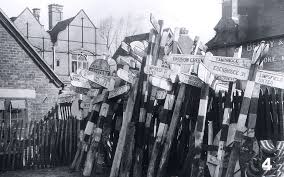
Signposts were removed from roads, railway and bus stop signs were taken down in an effort to confuse the enemy when they landed and tried to make headway inland. Whether any of this would have worked in the face of the Wehrmacht is something that we shall never know as fortunately it was never tested. But make no mistake, even Churchill believed it unlikely that Britain would not soon be under the jackboots of an implacable foe.
Enjoy Episode 2. It is magnificent. Simon Block’s writing sparkles through the words and actions of the outstanding cast. The mood in Great Paxford is tense, tempers are short and surprises come thick and fast. Roll on Sunday evening!
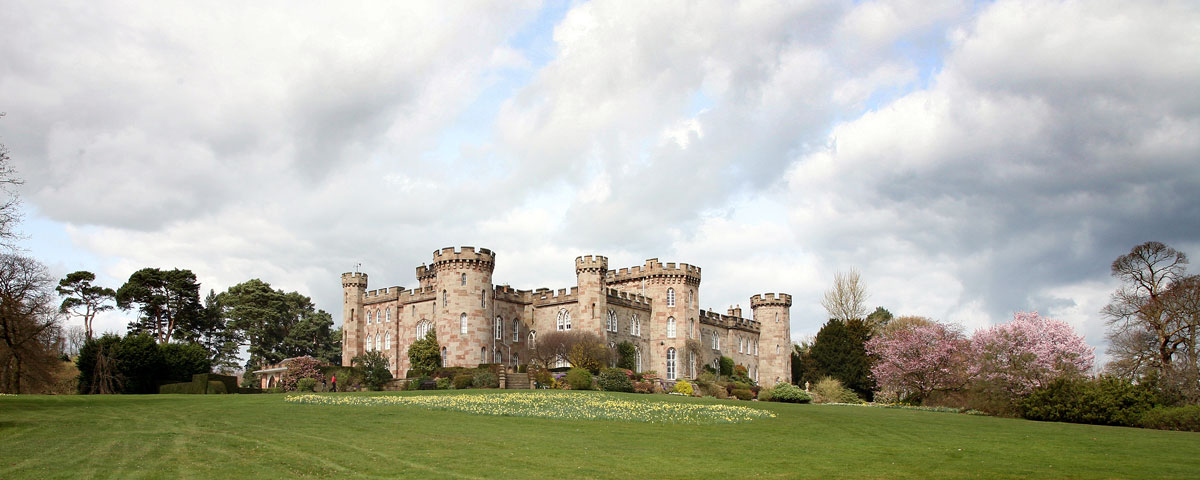
Three weeks after the evacuation at Dunkirk, France fell to the Germans. Amongst the Allies who had been fighting were Polish and Czechoslovakian forces who were at risk of captured and put into German Prisoner of War camps. Churchill realised that if this could be avoided it would mean he would have experienced, battle-hardened troops in Britain. So he ordered them to be rescued from southern France. In the end some 20,000 Polish and nearly 5,000 Czechoslovakian soldiers and airmen were brought to Britain and proved themselves more than worthy of the trust Churchill had placed in them. The Czechoslovakians sailed into Liverpool and were put on a train to Bunbury from where they marched 8 miles to Cholmondeley Castle.
The villagers along the way cheered them and the soldiers immediately fell in love with the beautiful Cheshire countryside. They camped in the fields around the Castle, which had already been requisitioned for another military use, and they remained there throughout the glorious summer of 1940 until they moved on to Leamington Spa to a more permanent camp.
The mood in the early summer of 1940 was one of agitation, anxiety and apprehension, mixed with fear. People were told that careless talk would cost lives and that they should be on the lookout for spies. Signposts were taken down or blacked out, so that moving around in the dark became even more difficult.
Signposts were removed to fool the feared invaders and people had to learn to navigate without way markers
There was a genuine and powerful fear of invasion. Even Churchill thought it unlikely that Britain could withstand a full-blown attack by the Luftwaffe and seaborne troops. The Battle for the Atlantic, which is the off-screen backdrop to our series, was about to enter troubled times. The German U-Boats had become ever more effective at targeting convoys and fears grew for the safety of passengers, especially evacuee children, who were setting out west for the safety of Canada or America. Yet once France had fallen there was a sense in Britain that, as the last man standing, on the edge of Europe, we would somehow defy the odds and emerge victorious. This mood is well-documented in diaries, letters and newspapers from the era.
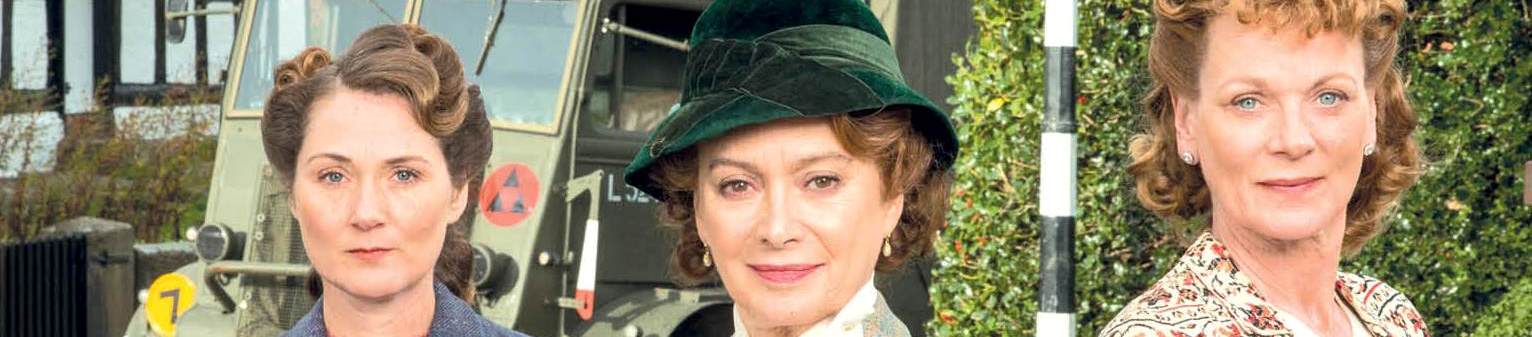
HOME FIRES SERIES 2 Pictured: FRANCESCA ANNIS as Joyce, CLARE CALBRAITH as Steph,RUTH GEMMELL as Sarah,FENELLA WOOLGAR as Alison, CLAIRE PRICE as Miriam, LEANNE BEST as Teresa.SAMANTHA BOND as Frances,FRANCES GREY as Erica and CLAIRE RUSBROOK as Pat. copyright ITV . must only be used in relation to HOME FIRES SERIES 2.
So, for our village of Great Paxford, the sense of anxiety about the future is very much there. The incoming Czechoslovakian soldiers add a fresh element to the drama, as does the permeating anxiety about foreigners, spies and Nazi sympathisers. However, life did go on during the war and it will go on in Great Paxford. The everyday lives of the characters are of course affected by the external influences but themes of love, loss, suspicion and excitement are constants. We pick up where we left off with Laura Campbell named in the divorce of her lover, Richard Bowers; Alison Scotlock is still in trouble with the police over accounting and Claire Hillman is as in love with Spencer as she was at the end of the last series. Bryn the butcher is typical of the kind of man who is determined not to be cowed by the threat of invasion. He has a business to run, a pregnant wife to protect and a missing son to worry about. Pat, on the other hand, is once again knocked down: not by husband Bob, this time, but by a brawl outside a pub. For her the war is about to change her life but in a wholly unexpected way. This episode opens with the farmer going about her business and the army going about theirs. After all, this is wartime…
Home Fires airs on Sunday on PBS Masterpiece. It is created and written by Simon Block and inspired by my book Home Fires which tells the true story of the WI on the home front from 1939-1945.
Wednesday 29 March 2017 is the most significant day in the life of the United Kingdom this century and possibly even of the last forty-four years. Some go as far as to say it represents the most momentous decision taken by this country since the end of the Second World War. Whatever side you are on in the question about whether it is a good or bad thing that Britain is going to leave the European Union, it cannot be denied that invoking Article 50 of the Lisbon Treaty is a noteworthy event. The Britain of today will look different in two, five, twenty years time. The anxiety must be what that Britain might look like and how will the changes affect all our futures.
Oxford, my home city, voted 70% to Remain in the EU. We have residents, workers and visitors from all over the world
As a historian I find momentous and noteworthy events both alarming and exciting. As such I turned back to history to give me some lead on the whole development of the idea of a united Europe and examine what its forefathers had in mind in the immediate aftermath of 1939-45 for the future of a war torn continent. It is a common myth that in 1940 Britain stood alone on the edge of Europe with no help or support. In exact terms we were alone but in reality we had nationals from all over the continent living, fighting and working for Britain and towards the war effort. Polish and Czech airmen flew magnificently during the Battle of Britain and were at our side in many other operations in the war including D-Day. Britain changed out of all recognition over the course of the war.
GIs at a village dance, 1944
The evacuation of people to the countryside, the influx of foreign fighters including 300,000 Canadians and a few million American GIs, mean that people living in rural villages heard accents and saw sights they had hitherto never encountered. 10,000 men from the West Indies came to Britain to enlist and were sent to North Africa and Italy in 1944. Of the GIs, over 130,000 were black soldiers and many found the non-segregation in Britain at first alarming but then a delight. They were billeted all over the country. Then there were Poles in Northern Scotland, Czechs in Cheshire, Americans in Cornwall, Canadians in Suffolk, Danes, Greeks and French in Malvern. The country was welcoming not only to foreign fighters but to refugees. Over 10,000 children arrived with the Kindertransport in 1938-39, just two years after 4,000 children from the Basque country fled here to escape the Spanish Civil War. Britain coped and despite the historic resentment of many to change, by and large they accepted the incomers.
After the war some of those who had made Britain their wartime home chose to remain here rather than returning to their countries of birth. It wasn’t perfect in the early years and there were times of strife but the country has changed over the last eighty years and I am proud to be a citizen of a wonderful, multicultural country.
Moss Side Amateur Boxing Club 1984
After the devastating years of conflict Europe had to be rebuilt and countries aligned so that such a violent and destructive conflict could never happen again. There are many significant players who had a finger in the early version of the European pie but one of the most fascinating from my perspective was a man who had spent the pinnacle of his career training volunteers to enter Nazi occupied Europe and cause mayhem, murder and sabotage. His name was Sir Colin McVean Gubbins. His name may not be familiar to British or American readers but in France, Belgium, Poland, Czech Republic, Norway and the Netherlands he is recognized as a great hero.
Sir Colin Gubbins KCMG
Born in Tokyo in 1896 he was sent, aged seven, to live with his maternal grandparents on the Isle of Mull. He did not see his father or mother for five years but he described his childhood as blissfully happy. After school he attended the Royal Military Academy at Woolwich and in the summer of 1914 he was in Heidelberg learning German. In August had to make a frantic dash back to Britain to avoid arrest. He succeeded by disguising himself as a child and later wrote: ‘My escape from being imprisoned in Germany was entirely due to the kindness of the Englishman, a complete stranger, who lent me £1 on Cologne platform.’ Gubbins was at Ypres for the first and second battles, then on the Somme where he won his Military Cross for conspicuous gallantry. He was shot in the neck on the Somme in October and was in hospital for eleven days; he was gassed in 1917 and suffered from trench fever in April 1918 but was fit enough to join General Ironside, later commander-in-chief of the Home Forces, as ADC on the autumn mission to Archangel in Russia to prepare a winter campaign. After the war, then aged twenty-three, Gubbins was sent to Ireland where he was given a three day course in guerrilla warfare and observed the methods used by the nationalists at first-hand. In 1923 he learned Russian and then went to India to learn Urdu.
Promoted to major in February 1934, he was posted to the War Office and appointed GS02 in a new section of MTI (Military Training Instruction), which was the policy making arm of the Military Training Directorate. In this role he was sent in 1938 to Czechoslovakia to oversee the withdrawal of Czech forces from the Sudetenland. It was something that he found exceptionally repugnant and it remained a matter of lasting shame to him for the rest of his life. It also gave him a first-hand view of the brutal force of Nazi expansion.
Stay-Behind Fighters being trained at Coleshill House near Swindon
In the summer of 1940, after the fall of France, the invasion of Britain seemed imminent. Gubbins was put in charge of training stay-behind parties of men who would work locally to sabotage Germans stores, blow up bridges and generally slow down their advance parties. When the threat of invasion lessened he was transferred to a new section called Special Operations Executive, known by its nickname Baker Street which was the London HQ. Its aim was to train foreign fighters who would be sent back to their own countries to carry out secret missions.
He moved to the Highlands to set up Special Training Schools where agents from occupied countries could be trained in the brutal arts of guerrilla or, as Churchill called it, ungentlemanly warfare. Men and women were turned into silent killers, explosives experts, radio operators and sabotage agents who were parachuted into France, Belgium, Poland, the Czech Republic, Norway and so on to carry out their secret and often deadly work. Gubbins worked with SOE for the whole war and clocked up some notable successes in Norway, France and, most spectacularly, in the Czech Republic when two agents trained in the Highlands carried out the successful assassination of Acting Reichsprotektor Reinhard Heydrich in May 1942. The reprisals for the murder of Germans was hideous but the heads of the various governments-in-exile in London thought the boost to a country’s morale and the confirmation that they had not been forgotten was a price worth paying.
Jozef Gabcik (left) and Jan Kubis who carried out the assassination of Heydrich in May 1942
At the end of the war Gubbins’ department was shut down. His biographer wrote of him:
Britain was spared the shame and misery of enemy occupation; without this experience it is difficult to appreciate the part played by clandestine resistance both in restoring national self-respect and in permitting courageous individuals to escape from the ignominy of their situation. . . It was as a resistance leader that he came to fashion Special Operations Executive, and to write his own page in the history of almost every country occupied by the enemy in the Second World War.
So respected was he in the countries that had been occupied by the Nazis that the government had to waive the rule that an officer could receive only four foreign honours for services in the war. Eventually he received more fourteen awards including the highest from Norway, Denmark, Greece, France, Poland, Belgium and the United States of America. Gubbins received a knighthood in 1946 and began the second half of his life’s work, which was to promote European Unity. Despite the fact he had spent five years trying to devise every possible lethal means of undermining the Germans, he realized that the only way of securing a lasting peace in Europe was to work together.
Jozef Retinger, founder of the European Movement, lived in exile in London having been expelled from his native country by the communist government in 1945
In 1946 an old Polish friend, Jozef Retinger, asked him to help set up the Independent League for Economic Cooperation in Brussels. This was merged with various others in 1947 to become the International Committee of the Movement for European Unity with Churchill’s son-in-law, Duncan Sandys as chairman. In 1954 he was asked to represent Britain as a founder member of the Bilderberg Group, an organisation set up to promote a strengthening of US-European relations and preventing another world war. When asked what he considered to be his greatest achievement he said the role he had been most honoured to play was in helping to prevent a further war.
Gubbins died in 1976 at the age of eighty, by which time Britain had been a full member of the European Union for three years. I was sixteen at the time and two years later I would leave home to live in Germany. I spent two years in Munich prior to university and then a year in Vienna. Later I spent time in Paris, Prague, Warsaw, Milan, Naples, and many other cities where my work took me. Freedom of movement and the lack of borders is something I now take for granted.
With my German friend, Atti, who changed my life when I was 17 and living in Germany. She made me proud to be a European
Will all this change? I wonder what Sir Colin McVean Gubbins would think of the step his country is about to take on 29 March 2017 and where he might imagine it could lead…
Gubbins’ story will be told in full in my next book Behind Closed Doors. It will be published in spring 2018.
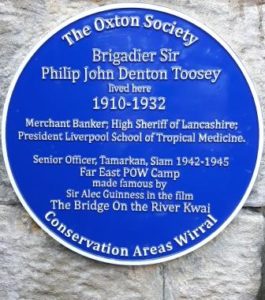 he transcript of a speech I gave to mark the unveiling of a blue plaque at the gates of the house where my grandfather lived in the early twentieth century. The people of Merseyside voted him the person most deserving of recognition. There was a huge turnout of Toosey relatives as well as two former prisoners of war, Maurice Naylor (96) and Fergus Anckorn (98) who unveiled the plaque. My son Richard read the words of the Japanese camp guard.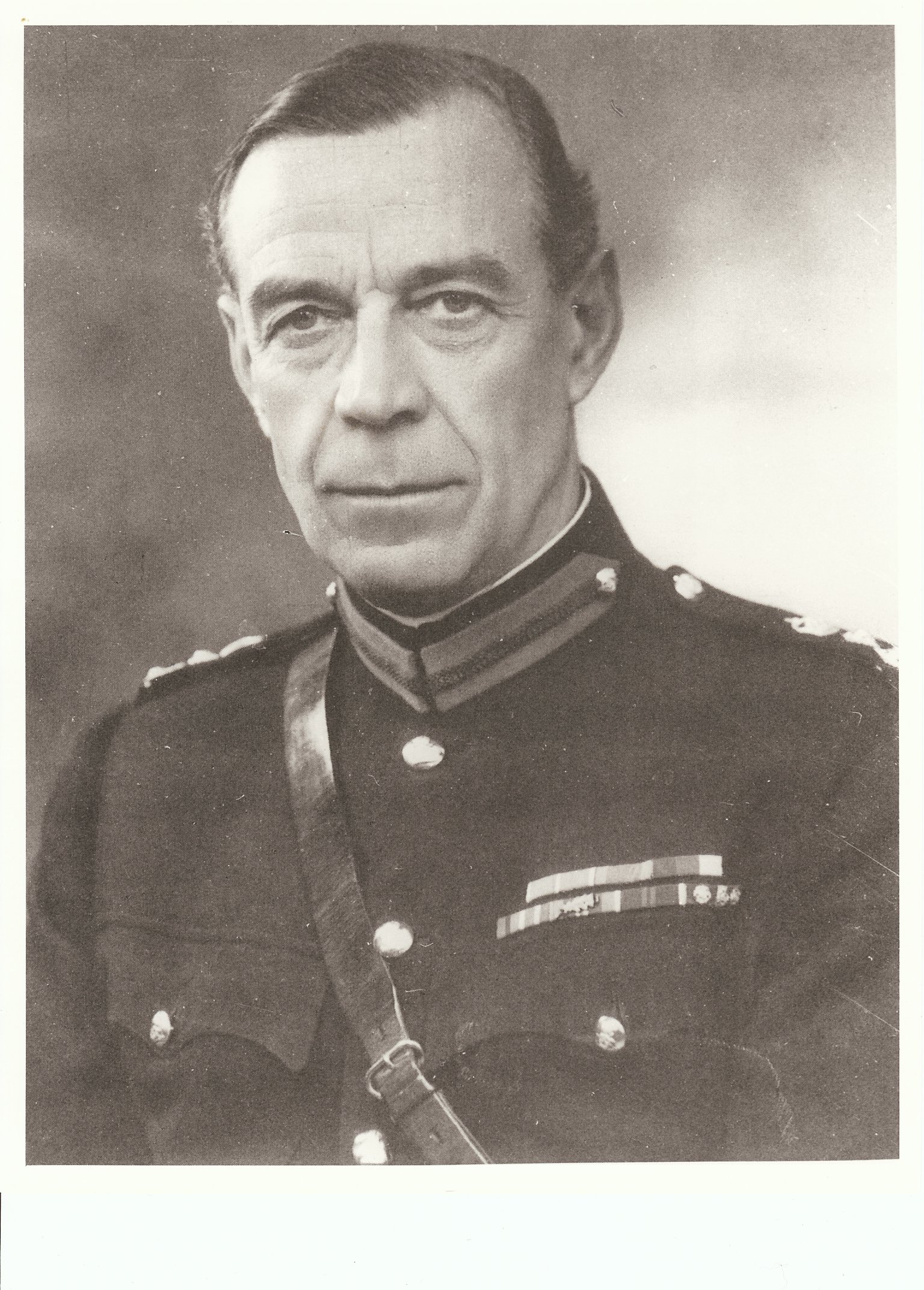
 He was more than his title would suggest. His kindness, his delicious sense of humour, his repertoire of whistles and his passion for life never waned. He shared this passion with all who came into contact with him. To his friends he was Phil, and sometimes ‘Dear old Phil.’ To his wife, Alex, he was Philip with a particularly plosive P when she was cross with him. To his three children, Patrick, Gillian and Nicholas he was ‘The Captain’,named after Captain William Bush RN, a fictional character of extreme efficiency and loyalty in CS Forester’s Horatio Hornblower series. Thus to us his grandchildren he became Grandpa Bush. To his men he was the Colonel and later The Brig and to the thousands of people he met over the course of his working life he was simply Mr Toosey.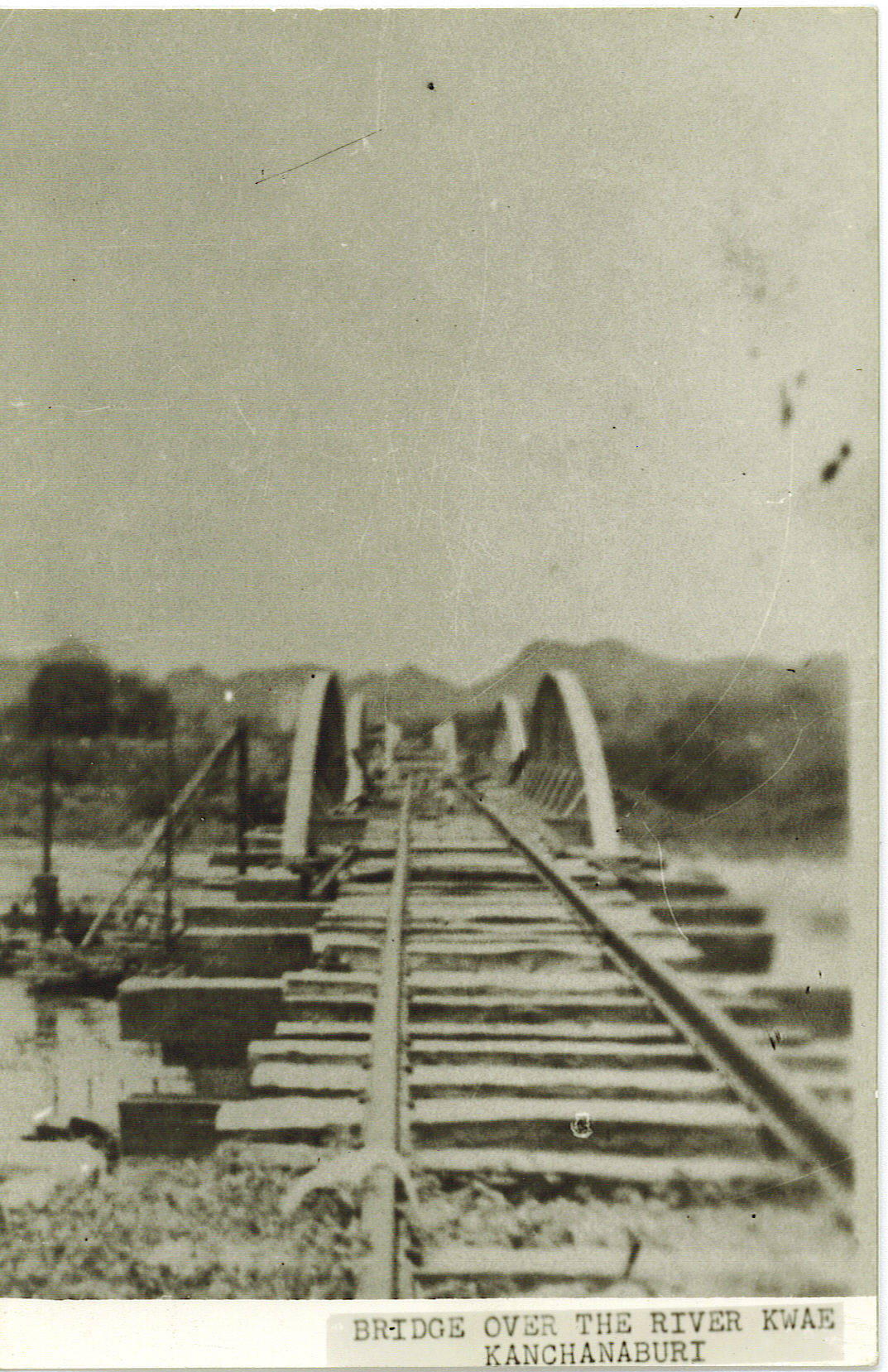



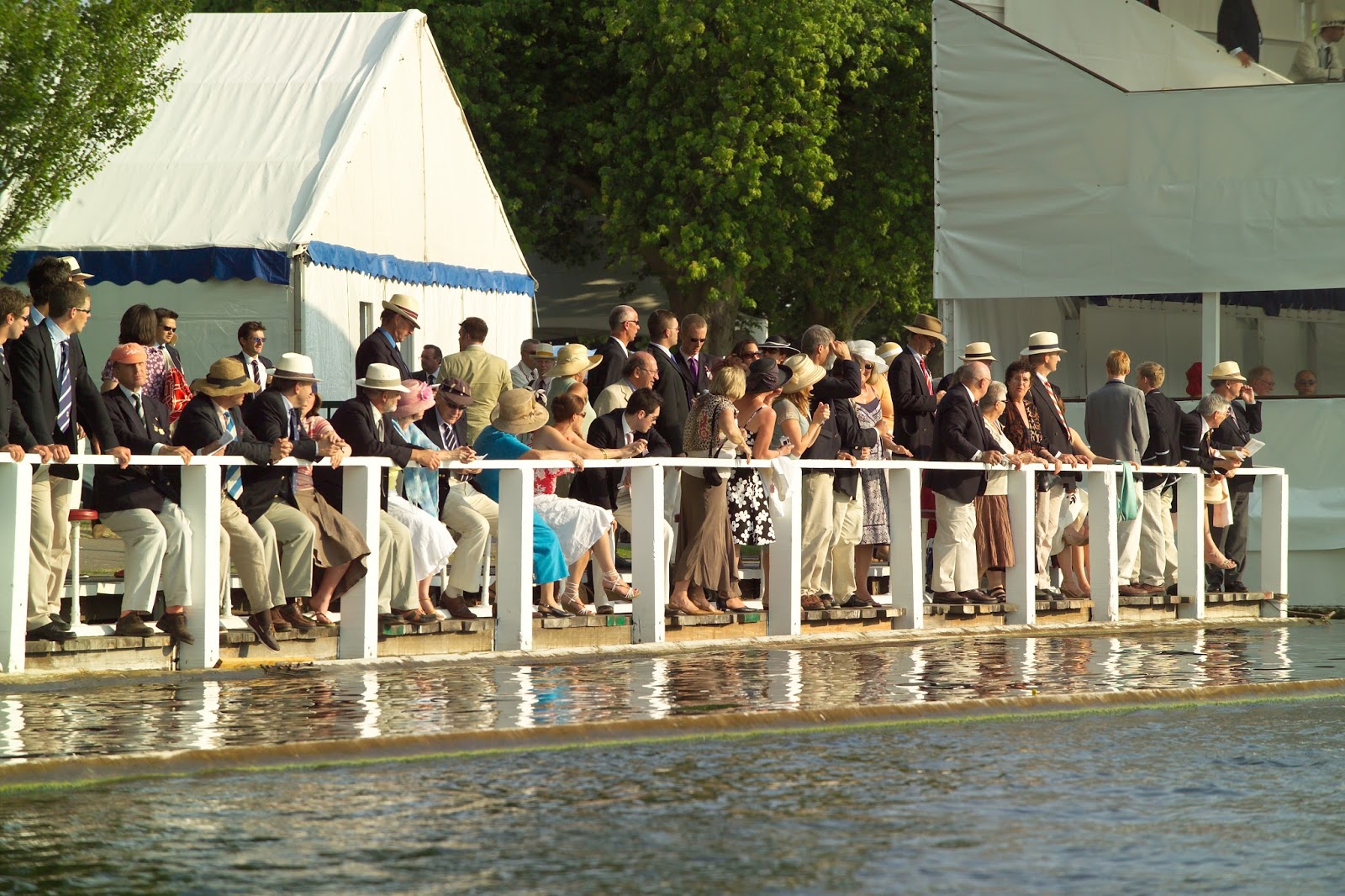

 The two boats cross the line neck and neck. Then there is silence. The commentary ceases and the Finish Judge has to make his call. The wait seems interminable, time stands still. Then: The result of the Final of the Princess Elizabeth Challenge Cup was that Shr …. No need for the rest: the name of the winning crew is always announced first. The grandstand explodes in ecstasy … the verdict, one foot. More cheering. The narrowest, the shortest, the tiniest of winning margins imaginable, less than a sixtieth of the length of the boat.