Welcome to my seventh newsletter which I am writing on a glorious spring evening. The chickens are scratching around in the garden, ruining my borders to be sure, the birds are singing and the spires of Oxford are looking particularly dreamy.Contents
- The Evacuees are Launched
- A Play on Words
- Knowing Your Onions
- Pen Thoughts
- Forthcoming Events
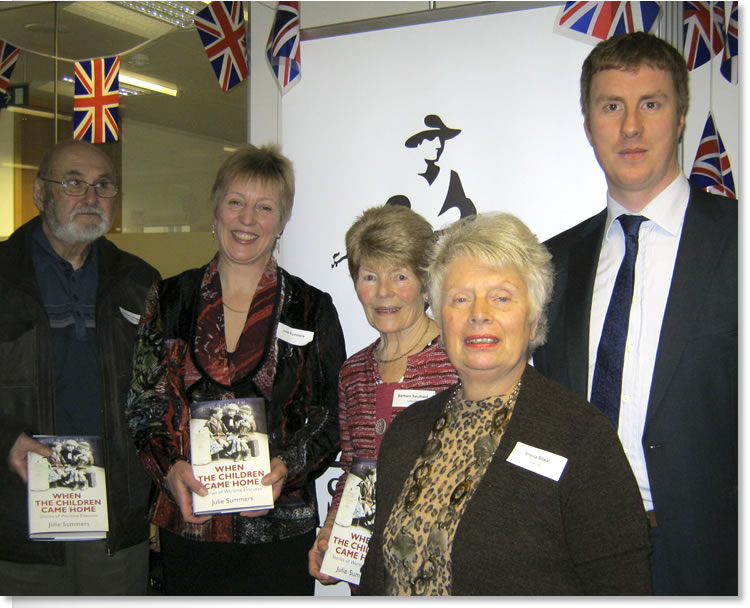 Norman Andrews (former evacuee), Barbara Southard, who appears on the front of the book with her arms around her little brother and sister, Sheila Shear (also a former evacuee) and Mike Jones, my editor at Simon & Schuster
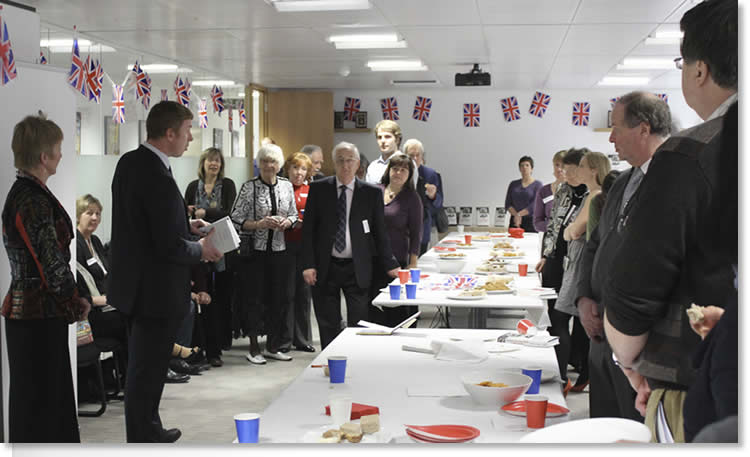
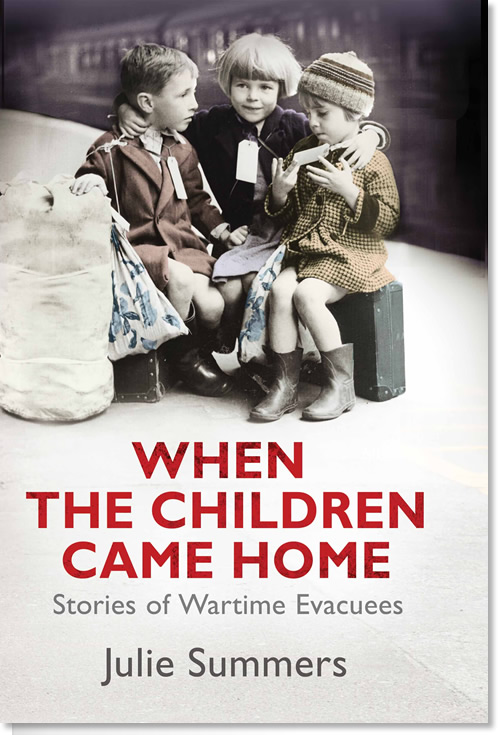
When The Children Came Home Launch
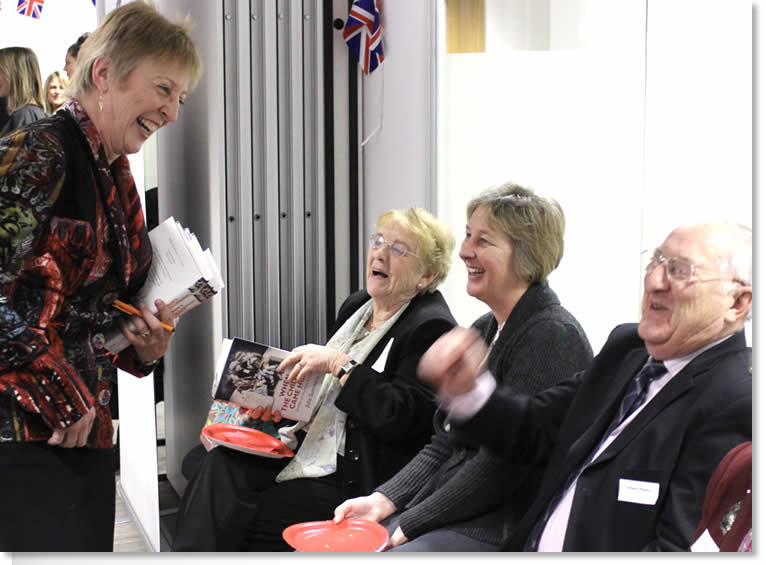
Joan Risley, her daughter, Julia Batchelor and her husband, Edward RisleyThe Evacuees are Launched
When the Children Came Home was launched at the offices of Simon & Schuster in London on 3rd March. The publicity and editorial teams really made the most tremendous effort on our behalf and it could not have been a happier occasion. I say on ‘our’ behalf because really it felt like more of a family party than a book launch. Twenty-nine people whose stories featured in the book came along, as did others who had been closely involved and we were treated to sandwiches, cake, tea and coffee in the boardroom which was decorated in Union Jack bunting. Prior to that, two of the ladies – Sheila Shear and Jessie Nagel – and I had appeared on Woman’s Hour just after Sarah Brown. I’m glad to say that Jenni Murray did not give us as hard a time as she did Mrs B.
The book has had a most wonderful reception, far exceeding my expectations, and was topped by a review in the Mail On Sunday on 20 March by Craig Brown which gave it five stars and made it Book of the Week. As this book has been such a wonderful collaborative project with the people who have been generous enough to share their stories with me, I like to think that each of them feels just a little bit of a 5* person at the moment. Radio 4 got in touch and asked if they could interview one of the evacuees from the book whose experience I had written up in the Guardian Family section. Gordon Abbott, whose good news story about his evacuation to Cornwall has touched many people, will be appearing on Saturday Live on Saturday 2nd April at 10am. I’ll certainly be listening in.
But do not let me get carried away and have you believe that I am getting too big for my boots. When I went on tour to the North West I was invited to give a talk at Waterstones in Chester, fifteen miles from where I grew up. There, on a rainy Tuesday evening, I gave my talk on the book to eight people plus the bookshop manager. Eight is bad enough, but I was related to three of them, my sister and two uncles. Not my most glorious moment, but certainly a reality check.
In my last newsletter I wrote of my hope that reviewers would pick up on the good stories in When the Children Came Home and not just focus on the one chapter that deals with abuse. I’m glad to say that so far my wish has been fulfilled. Interestingly, what is also coming out strongly is the sympathy people feel for the plight of the mothers, both those whose children left home and the foster parents who were bereft when the children returned to the cities. The fact that the evacuation was codenamed Operation Pied Piper has not gone unobserved. No mother came up with that name, for sure.A Play on Words
When I was up in Chester enjoying my celebrity status at Waterstones I chanced to meet a theatre director called John Gorman. He had been trying to get in touch with me for several months and we had always failed to connect for some reason or another. We finally met in the Grosvenor Hotel where he regaled me with his fantastic plans for a major arts festival on the Wirral this summer. It sounds quite extraordinary, with a poetry prom, music, a huge outdoor art exhibition and a series of new plays. When he came to share his ideas for the plays he leaned forward and told me with ever greater enthusiasm about a play he was planning to direct about my grandfather, based on The Colonel of Tamarkan.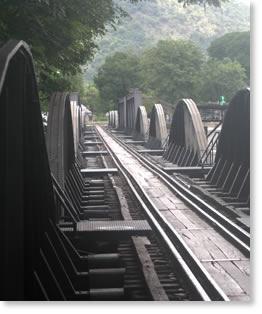 Bridge over the River KwaiI had an inkling that this was what he had wanted to talk to me about, as he had hinted as much in his earlier emails. I leaned forward too. This was fascinating stuff. A monologue examining the thoughts and feelings Toosey had when he was commanding those camps along the railway. It would explore the story of the Kwai from a completely different angle:the psychological. How thrilling. I sat back. ‘Who is writing the play?’ I asked. John replied. ‘You are’. I nearly spat my drink across the table. I am not often wrong-footed but this one caught me completely unawares. I spluttered and protested and said I couldn’t and so forth. ‘Oh, shut up!’ he said, impatiently, ‘of course you can do it.’ So I am. Doing it, that is. It is a colossal challenge and one I’m going to have to work incredibly hard at as I have never written any drama before. But I have long wanted to. Radio plays have always appealed to me and I have occasionally day-dreamed about finding the perfect subject for a Radio 4 afternoon slot. But it has never been more than just a day-dream.
So I am now engaged in this wonderful project and finding it bewildering and terrifying as well as exhilarating and thrilling. I expect it will be ‘for one night only’ but so be it. I just hope that more than eight people turn out and that I do not find that I’m related to half of them.
I will be sharing my progress on the play with an audience at the Oxford Literary Festival next week. The event is sponsored by a whisky company, which has delighted Chris. I do the talk, he gets the whisky. No relatives are invited.

Knowing Your Onions
The WI book is proceeding apace and I am working, for the first time, with a researcher. I have never done this before, being terrified that if I employed someone to do research, they might miss the kind of details that I love to include in my books. However, I have no need to fear. I have found a man, Stephen, who really knows his onions. As I have been reading through Institute minute books I keep coming across references to the great onion shortage of the early 1940s. It was clearly something that bothered the government to the extent that the Ministry of Food asked the National Federation to urge local institutes to run an onion growing campaign. 25,000 onion sets were distributed to village institutes in 1942 but that year, certainly in the West Midlands, there was a bad attack of onion fly and whole crops were ruined.
Stephen and I discussed this onion problem and he went off and did a bit of digging around. He found that ‘Britain imported almost all of its onions from France and maybe Spain before 1939. Following the occupation of France this stopped, of course.’ Of course. Why hadn’t I worked that out for myself? He went on to explain that the other not so obvious problem is that onions do not grow very well in the UK. ‘The ones we grow today are largely the result of hybridisation, and known as short-day onions. That refers to the amount of daylight they require to grow. As any gardener will tell you, onions grow really slowly. The varieties available pre-war would not grow successfully in the UK – too cold, too wet, too dark in the early months of the year.’
The whole question of food imports is fascinating and I am going to need to devote quite a bit of time to working on this. According to press reports from October 1939, the twelve million eggs sent weekly to the UK from Holland were stopped, along with bacon and butter, the latter totalling 700 tons. No wonder there had to be rationing when that all ceased. Twelve million eggs. Some omelette, as Stephen observed. I thought you might also be interested to learn that the grouse shooting season in 1939 was a disaster with ‘even the best performers quite robbed of their normal skill: the state of Europe has shattered their powers of concentration.’ Oh woe that wretched war.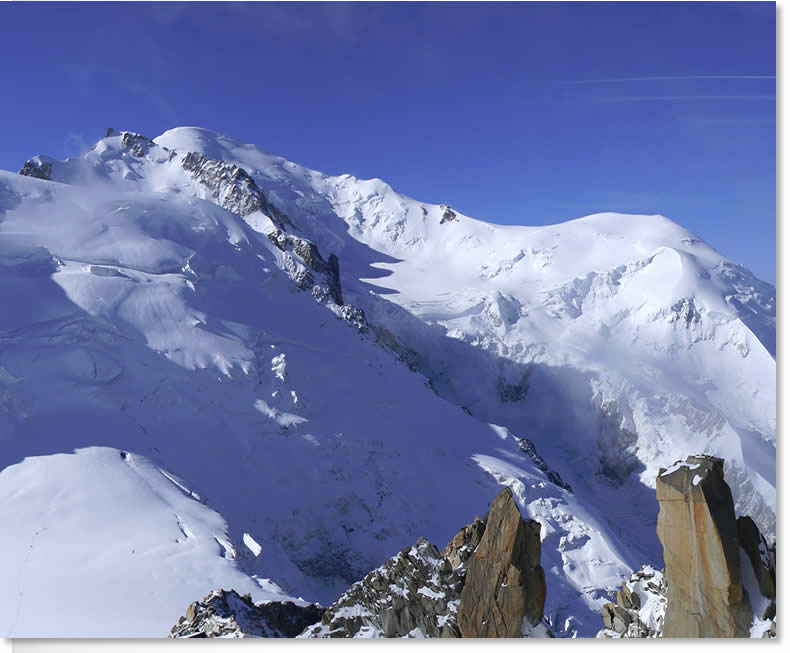 The real Mont BlancPen Thoughts
My first idea about pen thoughts was to talk about an aspect of writing which would perhaps not occur to anyone not directly involved in producing books. But now I find myself compelled to write about what I really love, which is pens. I have a complete thing about them. I know exactly the weight in my hand of all my pens and I have certain pens to do certain things. For example, if I do the cross word, I just grab any old pen from the fifty or so in the jug on the side in the kitchen. But if I write a cheque then I like to do so with a fountain pen or a felt tip pen. The fountain pen I would use on those occasions would be a cheap Pilot disposable blue or black V-fountain pen. When I am writing a letter on beautiful paper (yes, that’s another of my weaknesses) I use my 10 year old Mont Blanc pen, which I bought when I finished Fearless on Everest. Occasionally it needs washing and cleaning out but by and large it has given very good service. It’s the slimline version of the Mont Blanc range. I don’t like the fat or thick-waisted version. It does not sit well in my hand and is too heavy. But my absolute favourite writing implement, above all others, is my Mont Blanc propelling pencil. It is slim, black, perfectly weighted, beautifully easy to use and lives in a very lovely red zipped pouch which I keep close to hand.
The striking thing about having a Mont Blanc pen fetish – and I acknowledge that it is terribly corny – is that it is an extremely easy chat up line. I was having a coffee in Oxford the other day and whipped out my propelling pencil to make a note of something in the black, leather-bound, cream- leaved A4 book I have kept for the WI project, only to be addressed by a Texan who was stuck, with his wife, in Oxford for two hours while they waited for their bus to take them on to Stratford. They were visiting Britain as part of a tour for her choir. I have a great affection for Texan men. One of my closest friends is married to one. So I chatted to this couple. Turns out he keeps a Mont Blanc (fat) fountain pen in the top pocket of his shirt whenever he is out on business. When he is wearing a jacket, he explained, he carries his Cross pen because that sat more snugly in his inside pocket. Well, we chatted on about pens for a bit, and then I suggested a quick two-hour itinerary of Oxford colleges for them. From Carfax down the hill to Christ Church then down Merton Street to Oriel, Corpus Christi and Merton itself (taking in the Sandy Irvine Memorial) and finally to Pens Plus on the High Street. We parted on the best of terms. Now, had I not been using my pencil that conversation might never have happened and I would not have been reminded of Ben, the lovely Texan husband of my friend Amanda.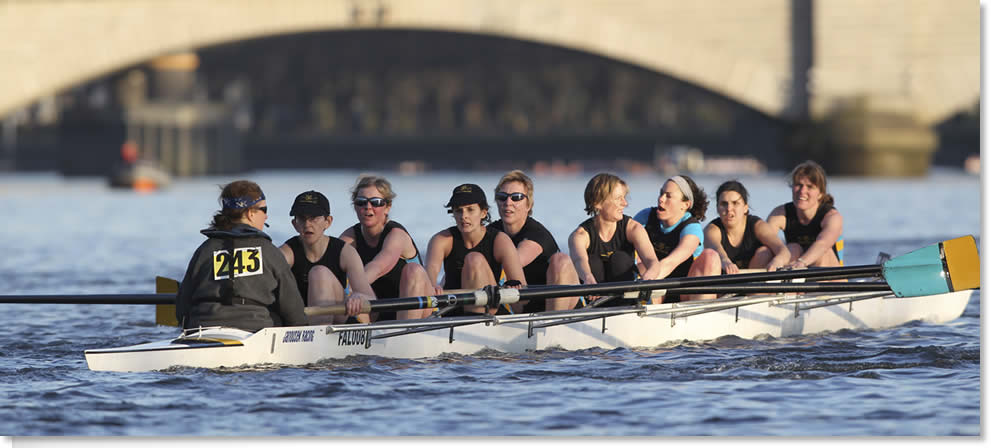 Falcon Rowing Club Women’s Eight rowing towards Barnes Bridge (and doing a spot of sightseeing en route) From bow: Ali, Anna, Emma, Caroline, Julie, Claire, Zena, Naomi and Lil (cox)
(Photo courtesy Iain Weir)Finally…
A few years ago Simon said to me that the only way I would ever really understand what it was like to row in the Boat Race, as Sandy Irvine had done, was to compete in an eight on the Tideway. In mid-March nine of us met up at Putney on a warm, sunny afternoon and rowed in the Women’s Head of the River Race. It was one of the most exhilarating and exhausting things I have ever done. 4 ½ miles of unrelenting pulling. I have more respect than ever I had before for those formidable crews who belt upstream from Putney to Mortlake for about 17 minutes. Downstream with the tide was hard enough. We finished a creditable 181st out of 300 crews, fully 60 places up on our start position.
Julie Summers
April 2011, Oxford
julie@juilesummers.co.ukForthcoming Events
- Sunday 3rd April 11:30am
Oxford Literary Festival: Highland Park Keynotes Readings in the Festival Marquee at Christ Church The Colonel of Tamarkan – the true story of the Bridge on the River Kwai.
www.oxfordliteraryfestival.com - Monday 4th April 4:pm
Oxford Literary Festival: Julie to interview Kitty Dimbleby about Daffodil Girls: Only They Know the Reality of Being an Army Wife: Meet the Women Behind Our Heroes
www.oxfordliteraryfestival.com - Tuesday 5th April 5:pm
Oxford Literary Festival: When the Children Came Home
www.oxfordliteraryfestival.com - Saturday 16th April, 10am to 5pm
From Everest to the EigerRewley House, Wellington Square, OxfordThis is a day of lectures by Julie Summers, Jerry Lovatt, John Porter and Peter Gillman, organised by Oxford University Continuing Education
www.conted.ox.ac.uk - Sunday 17th April, 3pm
When the Children Came HomeIWM, North, The Quays, Trafford Wharf Road, Manchester M17 1TZhttp://north.iwm.org.uk
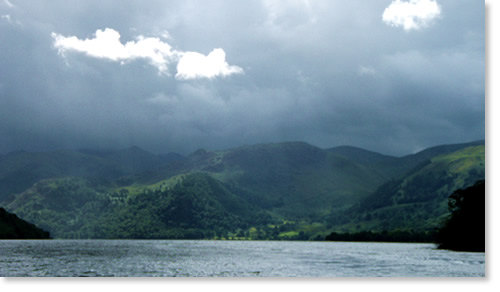 Ullswater, Cumbria.

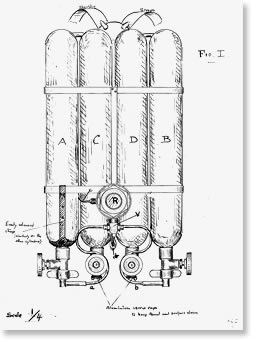 Sandy Irvine’s sketch for the redesign of the oxygen apparatus for the 1924 Mount Everest expedition© Merton College, Oxford
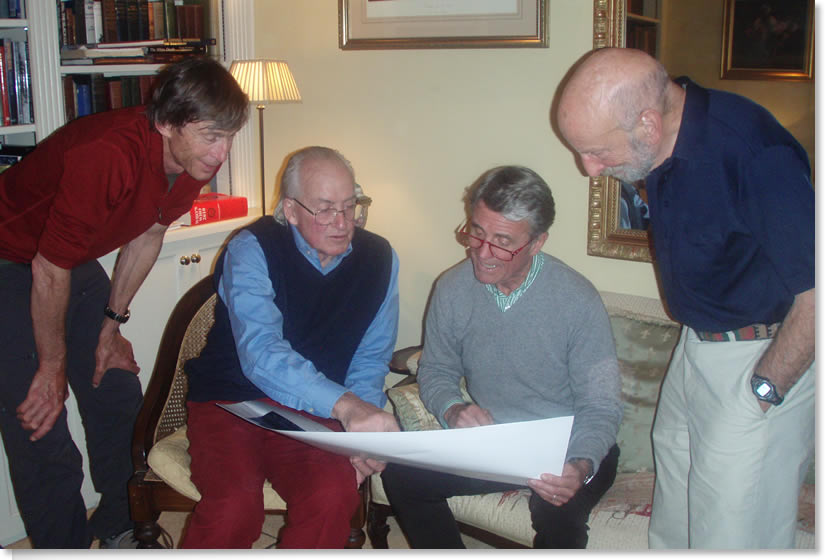 l-r: Tim McCartney Snape, Doug Scott, Peter Habeler and Tom Hornbein, climbed Mount Everest in 1984, 1975, 1978 and 1963 respectively.
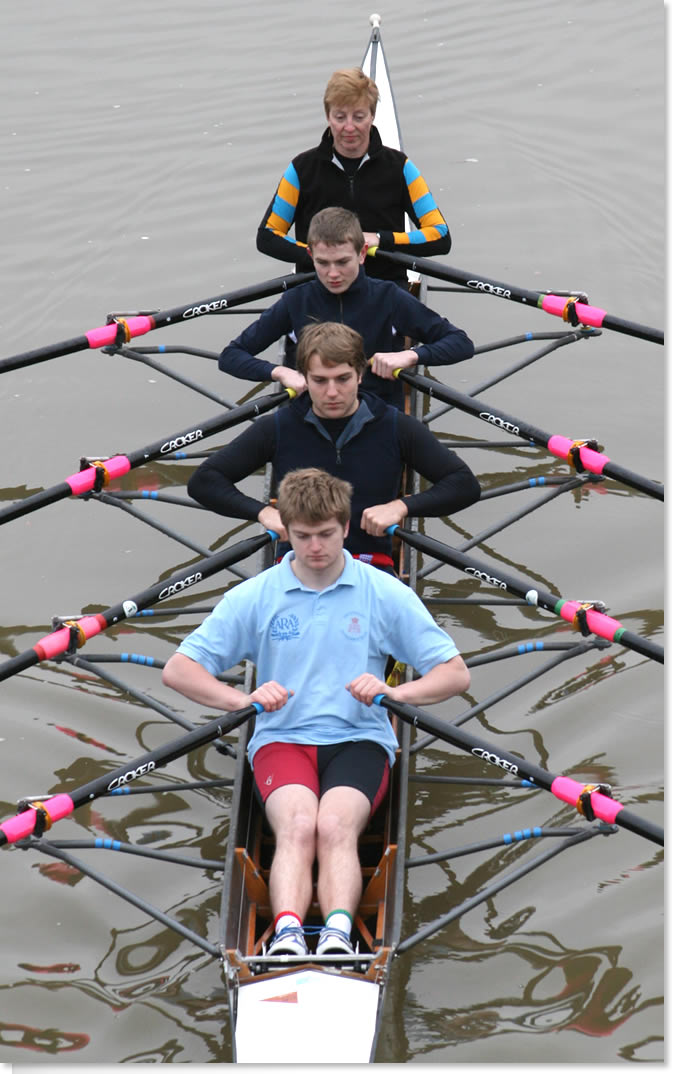 Richard, Simon, Sandy, Julie on the Isis, 30 December 2010And Finally…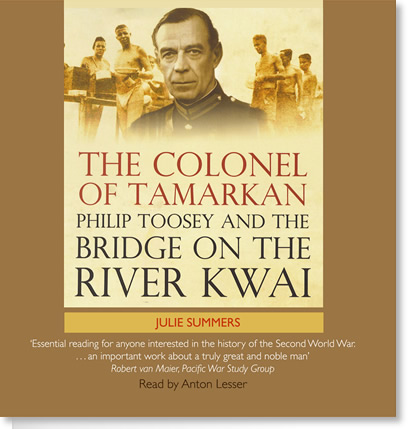
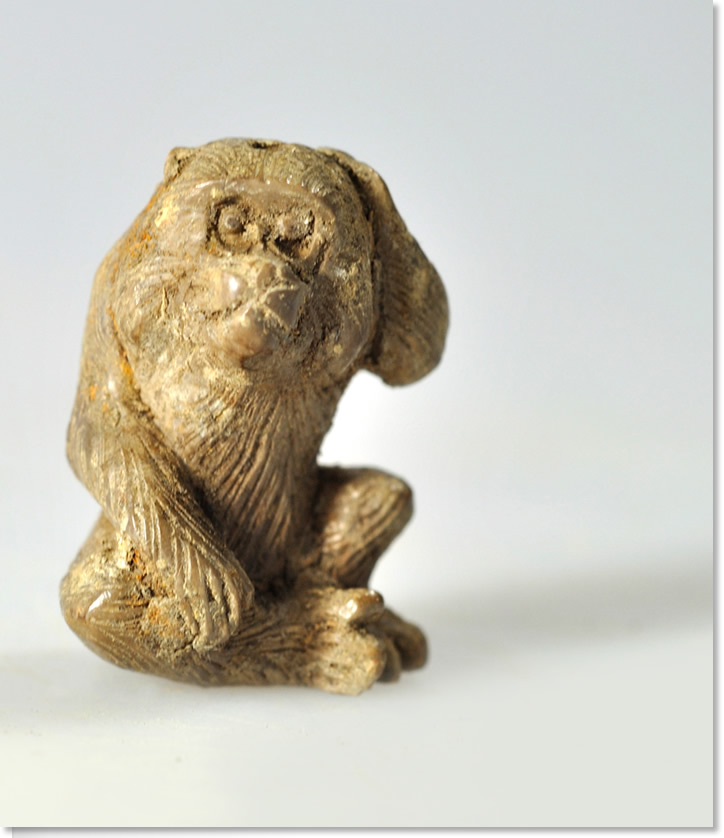 Resin monkey found in a grave at Pheasant Wood,
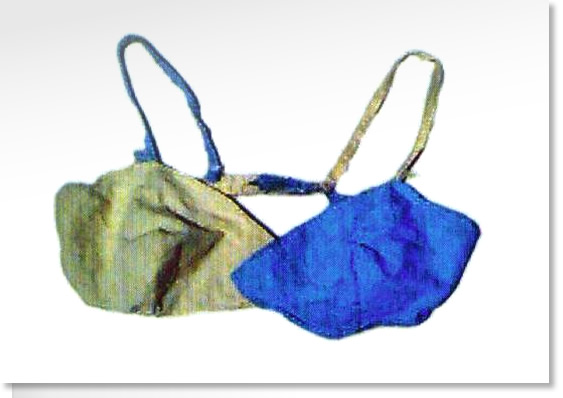 A bra made out of scout ties in Stanley internment camp
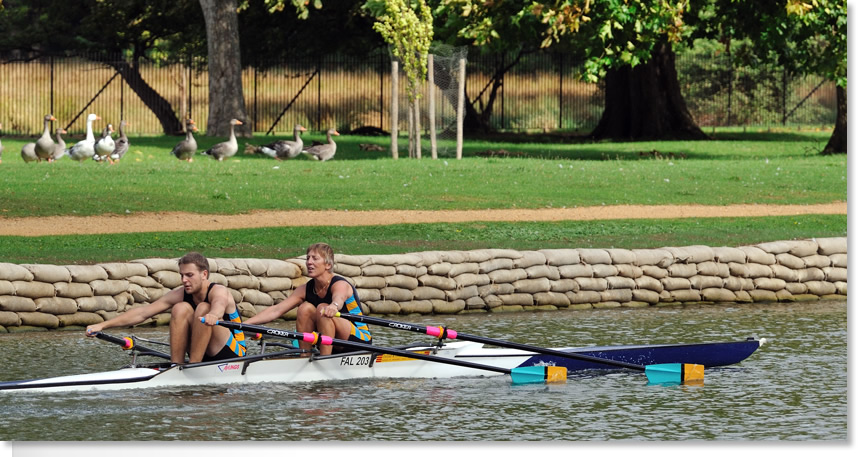 SB and Julie: Simon and Julie racing (and winning) the semi-final of the Elite Mixed Doubles at City of Oxford Regatta in August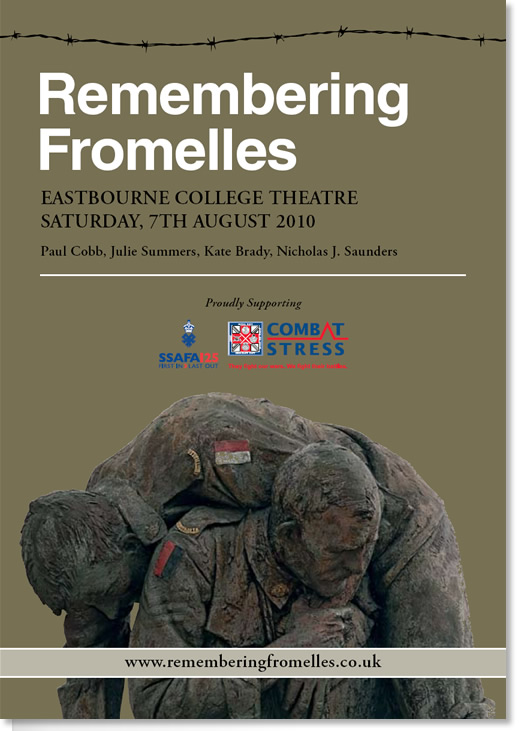
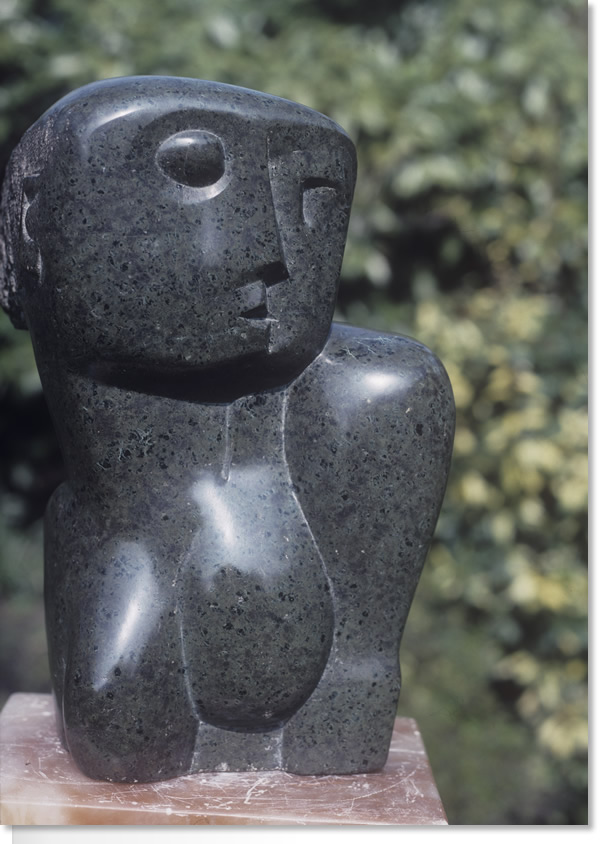 Head and Shoulders 1927
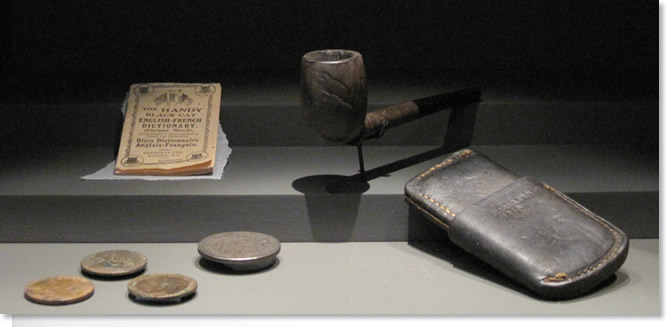 Showcase in Remembering Fromelles at the IWM showing coins, leather matches case, pipe and phrase book, all found in the Fromelles area
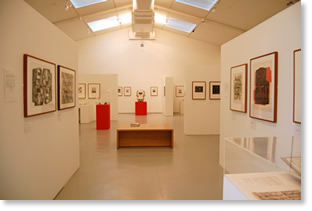 Henry Moore Deluxe: Books, Prints & Portfolios
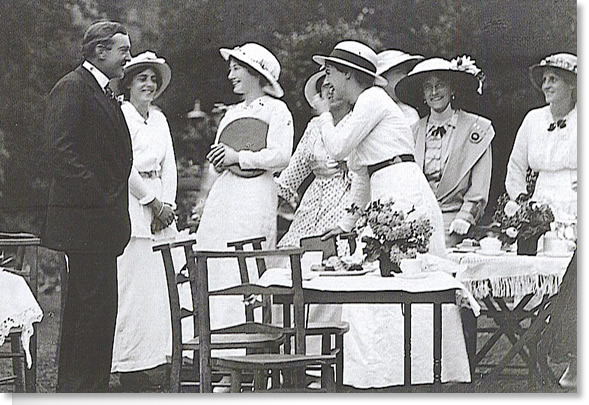 Sir Ernest Shackleton charming a group of ladies at a garden party after the Nimrod expedition.
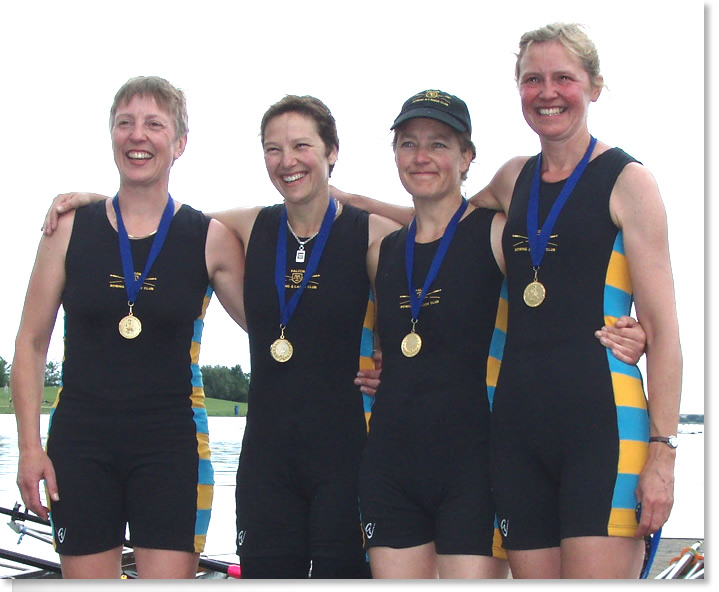 Left to right: Julie, Jude, Lil, ZenaAnd Finally…
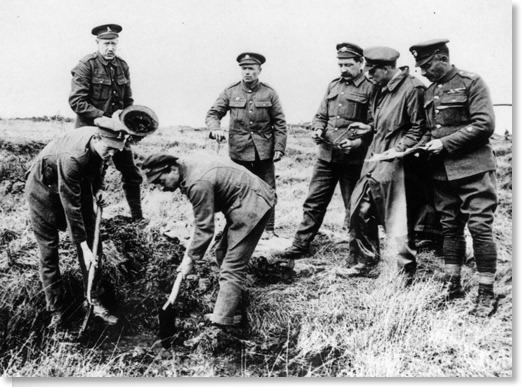 men of a Graves Registration Unit in the early
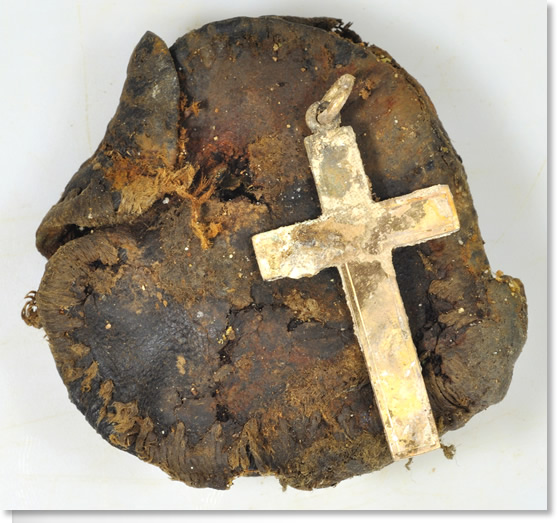 This leather pouch containing a crucifix was one of the personal items found during excavations at Fromelles in 2009
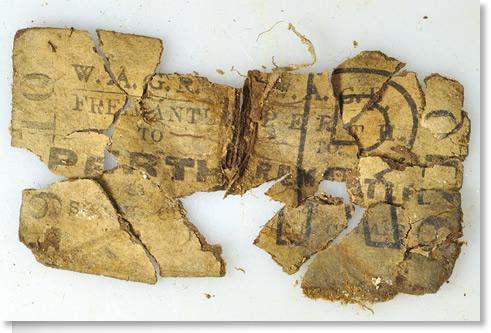 Return ticket from Fremantle to Perth. This really took my breath away, it was so poignant to find something so recognisable and obviously meant to be kept for reuse.At the beginning of March the Joint Identification Board, responsible for pronouncing on the findings of the archaeologists, forensic specialists and DNA experts of the Fromelles project, came up with the names of 75 men who they were able positively to identify. These men died in the Battle of Fromelles on 19th and 20th July 1916 and were buried in a mass grave by the Germans afterwards. Overlooked in the battlefield clearance in the 1920s they were found in 2008 after years of research, and the Commonwealth War Graves Commission was asked to oversee the task of exhuming the bodies, identifying them where possible and reburying them in a specially constructed new CWGC cemetery a few hundred yards from the place where they had been lying since 1916. My task has been to produce an exhibition and a book (opening & publication 1st July 2010) to mark the project, since it is the first new CWGC cemetery to be built in half a century. So, with the help of experts who worked on the dig, forensic scientists and the team responsible for the new cemetery, we have put together what I hope will be an interesting overview of an extraordinary undertaking.
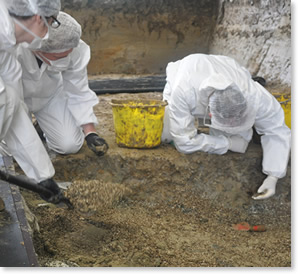 Archaeologists carefully examine the soil in
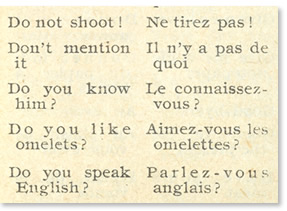 This is a clean copy of the phrase book that
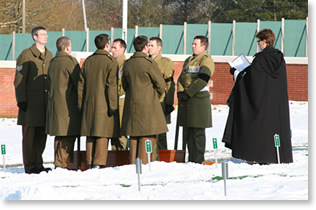 Funeral at Fromelles taken by
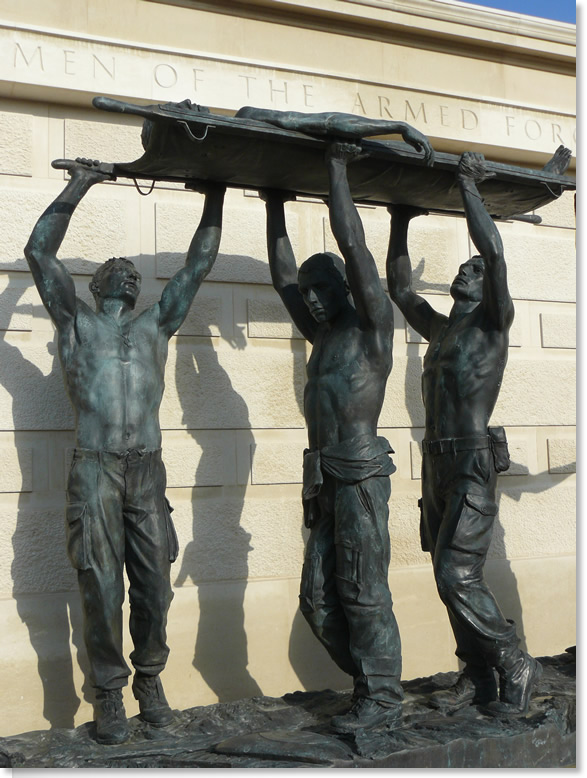 sculptural group on the Armed Forces Memorial by Ian Rank-Broadley
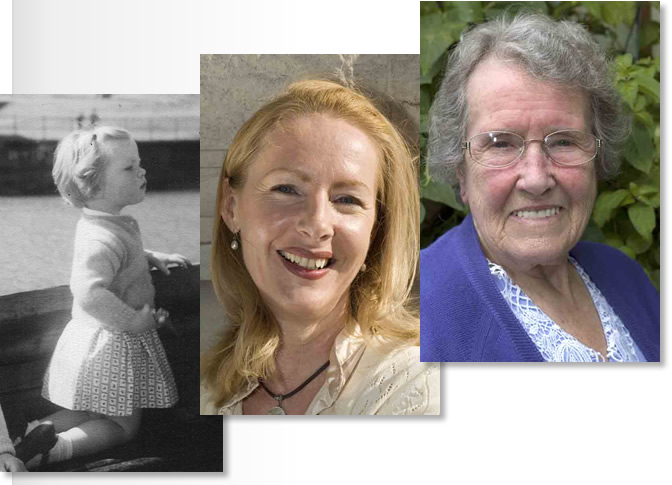 Left to right: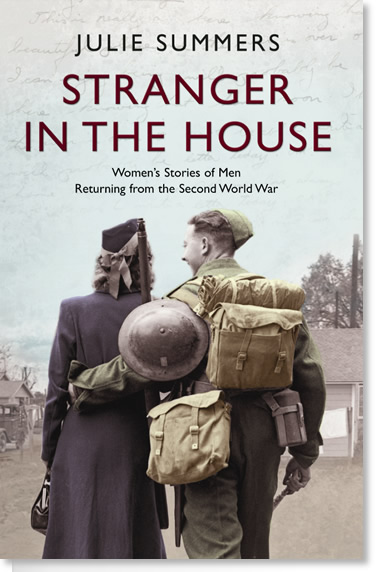
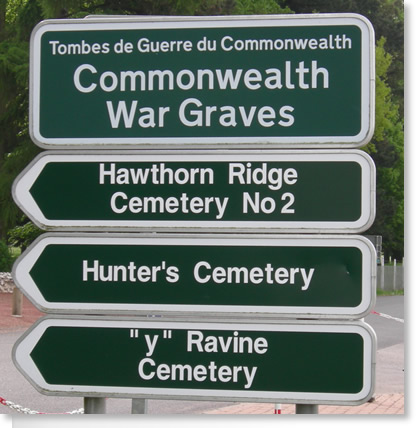 Signs to cemeteries at Beaumont-Hamel Memorial Park on the Somme. Many of those 650 or so men buried here died on the first day of the Battle of the Somme.The audio-CD of The Colonel of Tamarkan, which came out in the late summer, has enjoyed super reviews in the broadsheets. Meanwhile, I finished the draft of the book on war cemeteries for Shire Publications, which should come out some time next summer. It was poignant to be writing that book in the lead up to the first Armistice Day on which there were no more surviving veterans from the Great War. Although the first war cemeteries were built in the nineteenth century, it was really the unparalleled losses of the 1914-18 war that made the work of the then Imperial War Graves Commission both necessary and relevant, and it was the national outpouring of grief during and after that war that shaped our practice of remembrance today. Fittingly, the work I am now engaged upon, which is the publication for the Commission on its new cemetery at Fromelles, leads on from the war cemeteries book.
 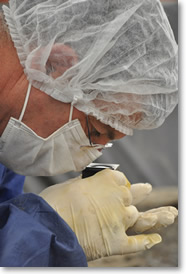 Every find discovered at Fromelles is minutely examined. Some are personal, some generic but each is a potential clue to the identity of a man buried here.I have spent the past few weeks in conversation with archaeologists, DNA experts and photographers who have been involved in the recovery of the 250 sets of remains from mass graves dug by the Germans after the Battle of Fromelles in July 1916. There have been some surprising details and moving stories, many of which we will try to weave into the book and Imperial War Museum exhibition for July 2010.
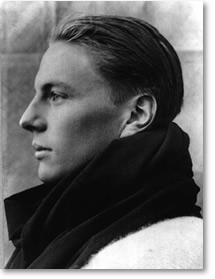 Sandy Irvine, 1923The film focuses mostly on Mallory, the more famous of the two men, but Sandy gets plenty of puff and comes across as a serious athlete, a charismatic young man with energy and character bubbling over in equal measure and as just the man you would want on an expedition to fix your oxygen apparatus. So, an accurate portrayal.
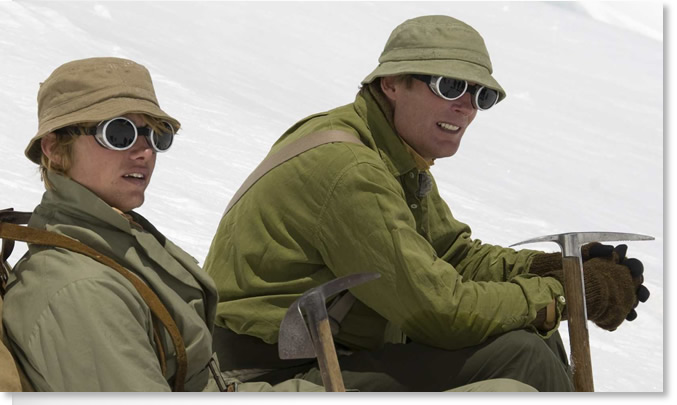 © Atlantic ProductionsA delightful surprise in the film is Leo Houlding, one of Britain’s most talented young climbers, who went to Everest in 2007 to take the part of Sandy in the reconstruction. Leo (left) and Conrad Anker as Mallory were to climb part of the way up the mountain in 1920s kit and, perhaps more importantly, they planned to climb the so-called Second Step, a 60ft rock cliff close to the summit pyramid, which climbers have long argued would have stretched Mallory, and certainly Sandy Irvine, to the limits. Leo, at 26, was just a little older than Sandy. What is compelling about his performance, which seems wholly genuine, is his delight at finding himself part of this remarkable story and about to climb the highest mountain on earth. The resonance between him and Sandy is so strong at times that I found I had to pinch myself.
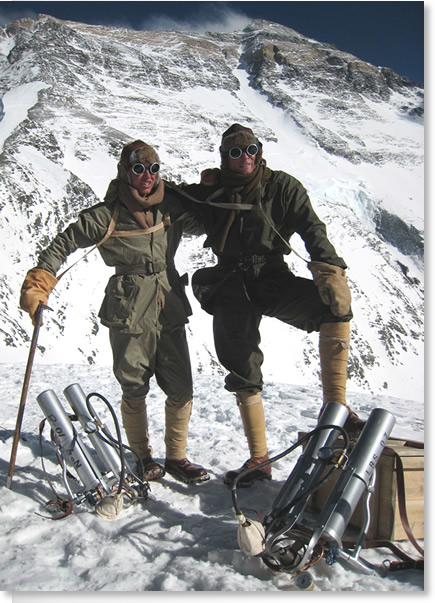 Leo Houlding (left) and Conrad Anker, dressed in replica 1924 clothing, created after careful study of the clothing.
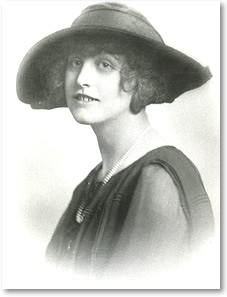 Marjory SummersSandy Irvine had a brief but indiscreet love affair with Marjory Summers, the very much younger second wife of Harry Summers (my great grandfather). Marjory, who had been a chorus girl when she married Harry at the age of 19, found life married to her stout, balding, fifty-two year old husband quiet. Dull even. So she found her own forms of entertainment in Flintshire, where she and Harry lived from 1917. By the time she threw her hat at Sandy in 1923, when he was twenty-one and she twenty six, she had thrown caution to the winds as far as her marriage was concerned. In a move of the utmost audacity she followed Sandy to Norway when he went with the Merton College Arctic expedition to Spitsbergen in July 1923. This much is already known.
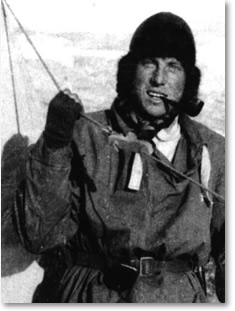 Sandy in Spitsbergen outside his tentI found Sandy’s diary from the expedition in the library at Merton College, Oxford. He wrote that the ladies of the party had travelled in first class berths and that he and the other expedition members had been consigned to steerage. But on the last night that they were on board, before the party divided and the ladies went home, Sandy visited Marjory’s cabin at five o’clock in the morning and made love to her three times before breakfast. The ladies departed that morning and Sandy spent three hours asleep on a box of biscuits in the customs’ shed prior to leaving Tromso for the islands in the Norwegian archipelago.
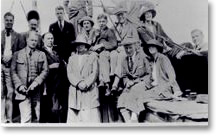 The Merton College Arctic expedition with ladies. Marjory seated top right next to Sandy in a flat cap smoking his pipe.When I discovered this sensational snippet I rang my father, who immediately said that he thought it inappropriate to publish such detail in my biography of Sandy. Being slightly in awe of my father and certainly respectful of his wishes I desisted and the story did not appear. A decision I have regretted ever since. Until now, that is. Now you all know. But what makes me laugh is that this information was too much for National Geographic as well. They demanded that Atlantic Productions cut the story from the film. Which they did. Bird pecked body parts yes, stories about sexual prowess no. Hmm. Let’s hope Sandy’s story makes it into the British version of the film.
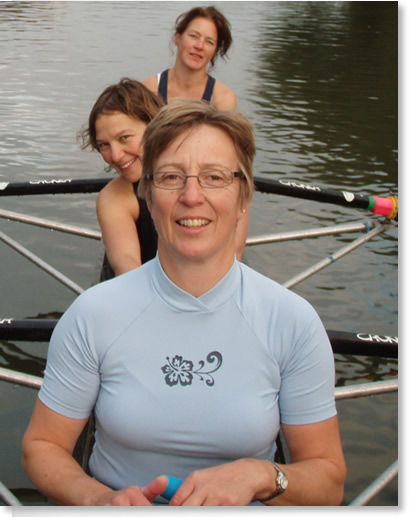 Julie in the 3 seat with Jude and Lil on the Isis,
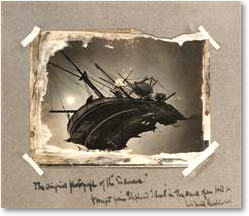 The original photograph of ‘The Endurance’ brought from Elephant Island to South Georgia by Sir Ernest ShackletonWhat is significant about the photograph, taken by Frank Hurley and developed and printed by him after the ship had gone down, was that Shackleton carried it with him in his pocket when he sailed from Elephant Island to South Georgia to raise the rescue mission for the men left behind. Now here’s the critical thing as far as I am concerned. Frank Hurley took a photograph of a sinking ship. Fine. He developed the glass plate (approximately 12″ x 8”). Where? On the ice. In a tent. Then he made a little print for Shackleton. Not a big one, he couldn’t have fitted a big one into his pocket. Where? Presumably also in a tent on the ice. Moving ice at that. In fact we know that Hurley kept a selection of the photographs he had taken on the voyage, prior to The Endurance being swallowed by the ice, because it is recorded that he and Shackleton had to make the terrible decision to jettison the majority of the glass slides as they were so heavy. Still, Hurley managed, in those extreme circumstances, to keep with him sufficient equipment to photograph, develop and print pictures. And then Shackleton succeeded in making his extraordinary journey in a lifeboat, the James Caird, from Elephant Island to South Georgia, some 800 miles across some of the heaviest seas in the world. He carried the photograph with him in order to prove who he was and what had happened to his ship. It is only slightly more remarkable that the photograph still exists and, perhaps, that I managed to find it. Picture research is often underestimated but when we researchers find gems it is thrilling and they should be made the most of.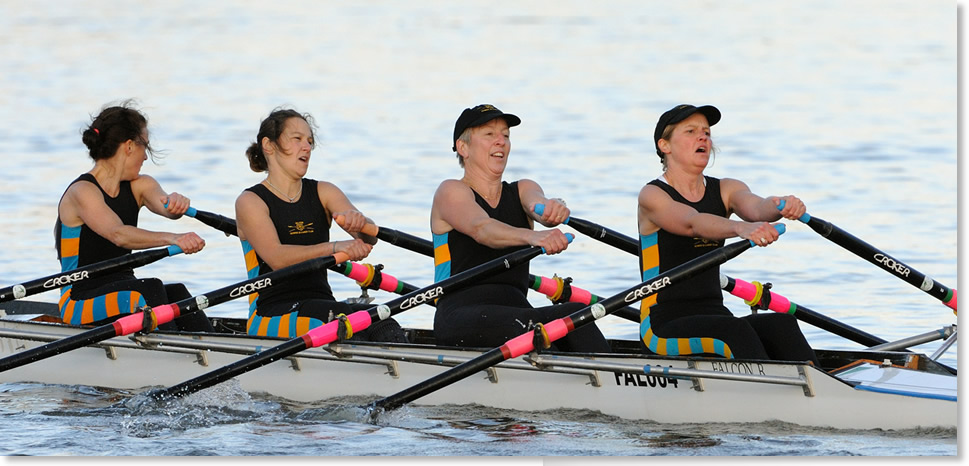
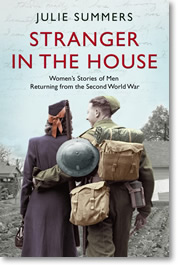 – now out in paperbackStranger in the House, which was published in September 2008, came out in paperback last month and has recently received two good reviews in the Guardian and Sunday Times. I feel enormously lucky to have met so many remarkable men and women through my research for this book and I am fortunate that most have stayed in touch. Certainly the comments I receive when I give talks about Stranger convince me that it tapped into a previously untouched seam and it is lovely to hear that the stories in the book chime with people’s own experiences and bring back memories. I always felt with Stranger that it was a joint effort so renewed thanks and respect to all who contributed.Worlds Out Loud
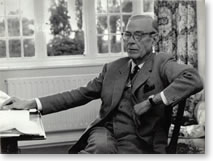 Phil Toosey in his study at Heathcote in the early 1970s at a time when he was recording his memoirs© Toosey Family CollectionMy grandfather died in 1975 so I never heard him speak of it but Anton brings colour and empathy to his experiences in a way that I had hardly dared to hope. Hearing the story come alive through Anton’s reading is one of the most exciting experiences I can recall. He succeeds in capturing Toosey’s humour, his mental toughness, his honesty but also his despair, when the camps were bombed by the RAF in 1944.
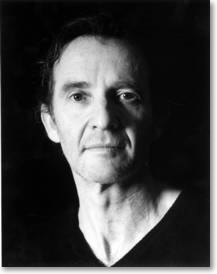 Anton LesserAfter his sandwich he went back into the recording studio and I returned to Oxford to watch the final race in the bumps. Catriona, at Chrome, told me that when Anton read the last chapter she could not follow the script as her eyes were brimming with tears.
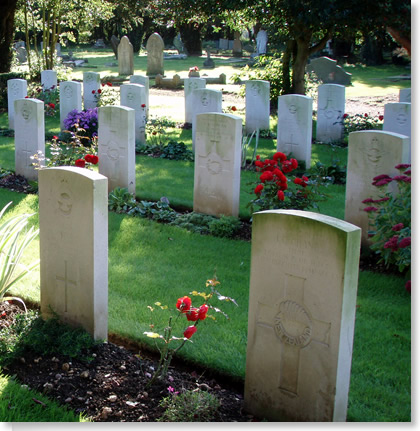 Moreton-in-Marsh New Cemetery, GloucestershireOn the writing front I am being kept busy with a little book for Shire Publications on Commonwealth war cemeteries and a bigger book for the Commonwealth War Graves Commission about their new cemetery at Fromelles in France, which has been much in the news. The cemetery is being built to take the remains of upwards of 250 Australian and British soldiers who died in the Battle of Fromelles in July 1916 and who were buried by the Germans in a mass grave, which was discovered by an Australian amateur historian after years of research. DNA tests are currently underway and they hope to identify up to 10% of the soldiers buried in the mass grave.
 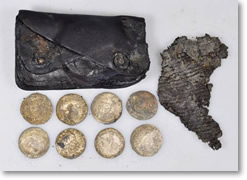 Artefacts from the mass grave at FromellesThe book will commemorate the building of the first new CWGC war cemetery in half a century and there will be an exhibition at the Imperial War Museum from July 2010 in which we will be showing some of the artefacts that have been found in the mass grave, including a return train ticket from Fremantle to Perth, a leather purse with coins and a heart shaped leather pouch containing a solid gold cross. If you are at all interested in the Fromelles story then the CWGC website has excellent information, daily blogs, a photo gallery and much more. Follow www.cwgc.org/fromelles.
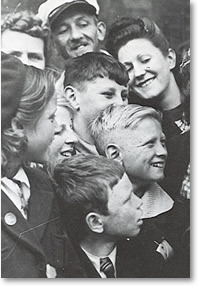 Returning evacueesI am also working on another book for Simon & Schuster, this time about evacuee children and how their returns home affected their lives. So many books and films look at what happened when the children went away but little is known about what happened once they came back . The stories and experiences are as varied as you can imagine – some funny, some heartening and some, inevitably, tragic. I am over halfway through the research and will start writing in January.Pen Thoughts