Welcome to my 10th newsletter, written on the warmest day of the year thus far. 20C in March certainly does not feel normal.Contents
- Sticking My Oar In
- Children’s Tales
- Zeitgeist
- Jam Tomorrow
- Pen Thoughts
- And Finally…
- Forthcoming Events
Sticking My Oar In
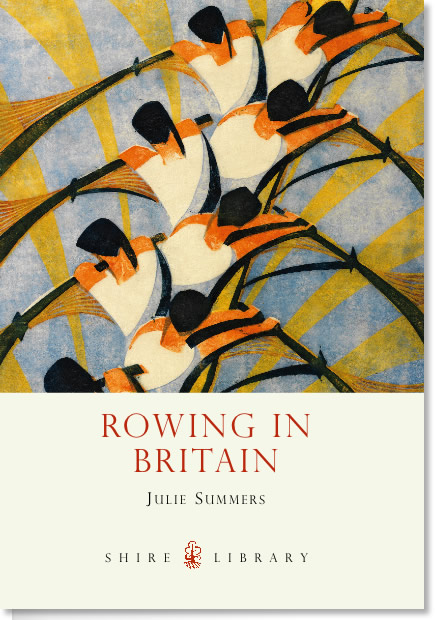
Rowing is usually relegated to ‘and finally’ in my newsletters but this quarter it reaches the top of the pile. A few weeks ago I was offered what turned out to be an irresistible challenge: to write a short history of rowing for Shire Publications. Start to finish, including sourcing and acquiring 70 pictures, four weeks. I do not think it is clever to boast about writing something quickly because all my texts benefit from iterative attention but this was an exciting challenge: to describe in brief the history of something that makes my pulse beat faster, a sport that grips me to the extent that a close finish brings tears to my eyes; and to do so in a very short space of time. I greatly enjoyed the challenge and although the book is tiny – just 10,000 words – I am pleased with the final version. It may not be the cognoscenti’s ideal summary of the sport but I hope it will enthuse armchair rowers and parents. It also permits me to indulge my family’s continuing fascination with the sport and to record that Richard rowed in Lents for Christ’s and won his blades after four successful bumps. If that means nothing to you, then don’t worry, it’s gobbledygook to anyone but an oarsman. However, if I flesh it out a bit and explain that the bumping races are the aquatic equivalent of dodgem cars at a fair then although you may not get the importance you can probably imagine the fun.Children’s Tales
Meantime, When the Children Came Home has appeared in paperback. This book, more than any other I have ever written, has given rise to unexpected and very rewarding results. In earlier newsletters I have written of Jessie Nagel and Sheila Shear and how their stories have resonated with the readers. Sheila’s Jewish family was billeted with a Christian bachelor in Chesham and the relationship grew into a lifelong mutual friendship which has become one of the most commented on in the book. Jessie suffered a brutal and deprived childhood but spent four years during the war living in a hostel run by three Guiders. Their leadership, affection and example changed her experience of childhood and she credits them with giving her a life she could never have dreamed of without the interruption of the Second World War. But let me also touch on Nigel Stanley’s story, because that has been rewarding in a different way. As a result of my grandfather’s experience in the Far East during the Second World War I have always had a special interest in the war in the Pacific. As usual I must qualify that and say that war interests me not at all – I hate violence and death – but the reactions of ordinary human beings faced with extreme situations fascinate me. And the Far East certainly produced its fair share of extremes. Nigel Stanley’s story is the longest in the book, and so it should be, for it is not a story that can easily be condensed. 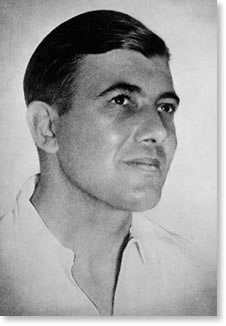 Dr Cuthbert Stanley c. 1940.
His story and that of his son is
one of the most moving I have
ever written aboutIt took me quite some time to pluck up the courage to approach Nigel to tell his family’s tale and I felt a great weight of responsibility to tell it with respect but also to reflect, as far as possible, a balanced view of one narrative in the context of the whole story of the Far East. Imagine, therefore, my delight, when I received just the other day an email from a woman whose father knew the Stanleys so well that she had photographs of Nigel’s parents at her own parents’ wedding. For Nigel this was a piece of the pictorial jigsaw of his father’s short life and for me it was proof that stories matter, that they resonate and echo, even decades later.Zeitgeist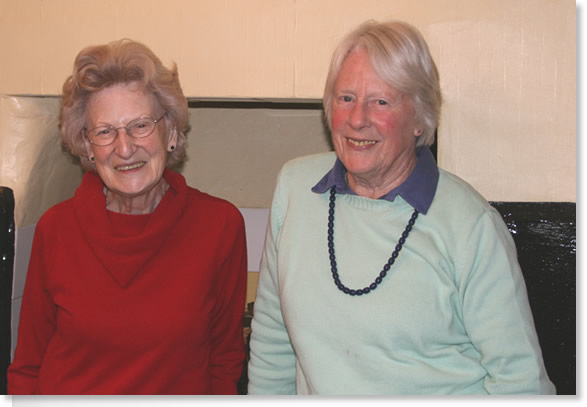 Ann Tetlow (left) with her friend, Dorcas Ward.
Both their mothers were active WI members during the war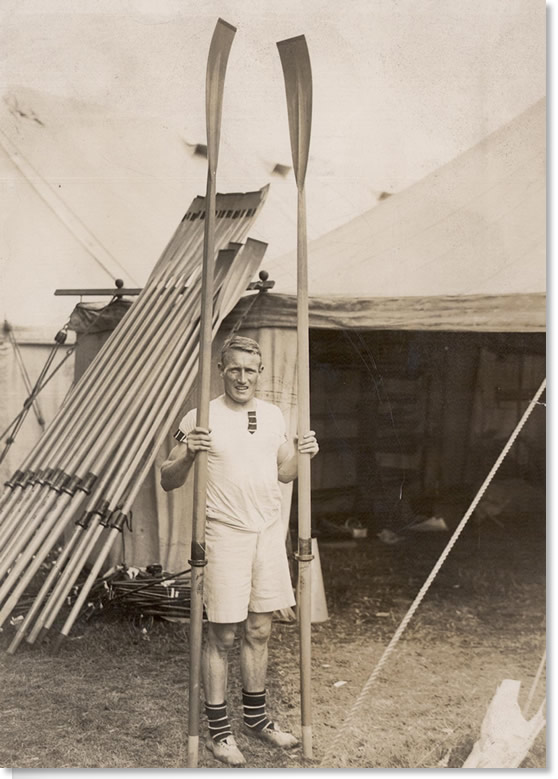 Jack Beresford, 7 times winner of the Wingfield Sculls
and the first man in history to win 5 medals at
five consecutive Olympic Games.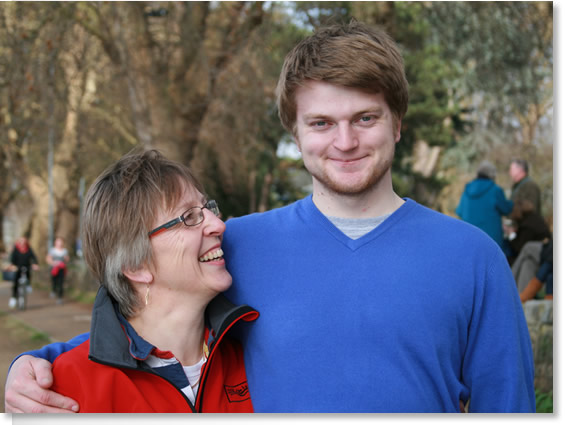 My very large surprise at Kingston Head Race
A very long time ago, longer ago even than last Tuesday, to misquote A.A. Milne, I had a long, uncomplicated and life-changing experience that shaped the person I am today. The catalyst was a German friend whose life story drip-fed into my adolescent self and changed, minutely but effectively, the way I look at the world. Some people change lives because they can, and others, like my German friend, just tune in to a very narrow wavelength at the perfect time, enabling an individual recipient to benefit from that magnetic pulse that can slightly change the course of one’s thinking and make a fundamental difference. If all this sounds a bit vague and woolly it is because I have not yet worked out how I am going to share the story with the wider world, or indeed, if I am going to share it. But I think I will. In the end.Jam Tomorrow
This book about the WI in wartime has been more difficult than I had imagined at the outset. The research into the history of what the WI did in wartime and how they sorted out bureaucratic nonsense, used the Black Market to best effect and made enough jam to feed the population for a year was not difficult. The WI is a wonderful record-taker and there was more information available than I could possibly use. Anecdotes abound, but what were more difficult to pin down were biographical stories that shed light on personal, individual experiences. My editor pressed me to talk to women who were WI members during the war but the trouble is that women who were influential in the 1940s would have been in their 40s or older, since younger women would have been engaged in war work, and I have not come across many people aged 110+ who are prepared to be interviewed. However, I was not going to give up and I put out further pleas for information and contacts, and have now found a small posse of women who were children or adolescents during the war but who were involved in the WI through their mothers. Ann Tetlow, for example, has vivid memories of going to the second half of WI meetings as a child and watching drama productions. She then joined the WI when she was older and so can look back on her life as a post-war WI member and use her own knowledge to breathe life into the beautifully written minute books that were kept by their WI. It is one place removed from the actual wartime experience but it sits beautifully with the overall story and I hope Ann and the other handful of younger women I have interviewed will prove to be the golden thread that illuminates the WI tapestry.Pen Thoughts
I have written before in praise of archivists, those brilliant professionals who gather together fragments of lives, pieces of history and nuggets of beauty to help historians and family researchers to put together stories. They are a highly skilled group of people who do a vital job that most of us do not even think about. When trying to convince truculent doubters about the value of heritage I remind people that you can only understand how important an achievement is when it is set in the context of history. A recent example from my rowing book: a young man called Adam Freeman-Pask joined a vastly distinguished group of scullers who have won the Championship of the Thames, also called the Wingfield Sculls. It was first raced in 1830 and has been won by some of our greatest oarsmen, including Jack Beresford who won the race 7 times in a row in the 1920s and Steve Redgrave who won it 5 times in the 1980s. Adam became only the second sculler in the history of the race to win it in under 20 minutes, the first being Peter Haining, three times world champion in the 1990s. That is a lot of statistics. But it also shows the extraordinary importance the rowing world attaches to this race. Without the archive for this event there would be no history. Now very few rowing clubs have professional archivists so this Pen Thought is in praise of those volunteer, part time, often amateur archivists who keep precious material together for posterity. And not just for rowing history. The WI, mountaineering, Second World War postal history archives are all part of that scene. I use such archives in all the research I do and I want to record my thanks to people who put them together and maintain them for general use. You do a fantastic job, thank you.And Finally…
A real treat. I went to watch the Kingston Head of the River Race on 11 March and was delighted to see not only my youngest son, Sandy, sculling for Magdalen College School but Richard rowing with his Christ’s crew. A surprise and a pleasure. Rowing is one of the glues that sticks our family together.
Julie Summers
March 2012, Oxford
julie@juilesummers.co.ukForthcoming Events
- 13th March, The Rucksack Club, Manchester, 7:30pm
Everest Needs You, Mr Irvine - 21st March The Winding Wheel, Chesterfield, 7:30pm
Stranger in the House
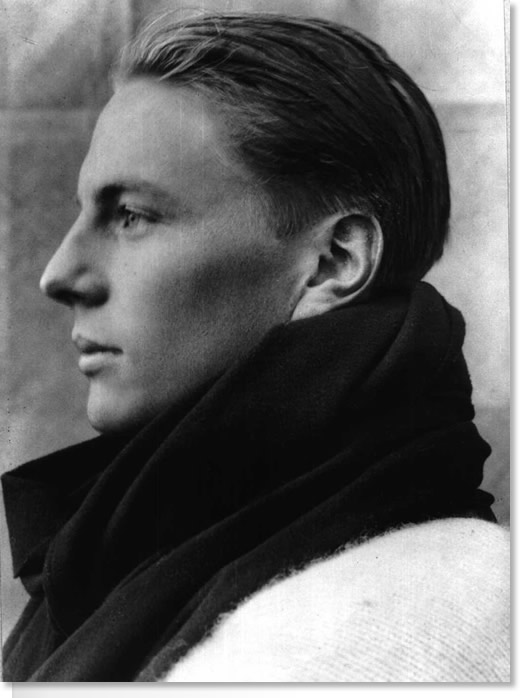 Sandy Irvine
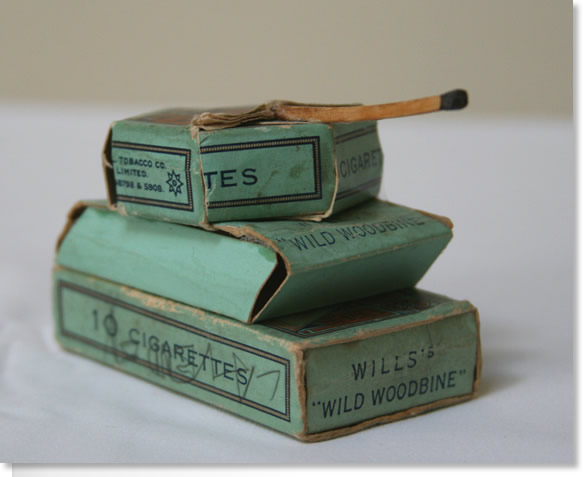 Tank made from Woodbine cigarette packet.
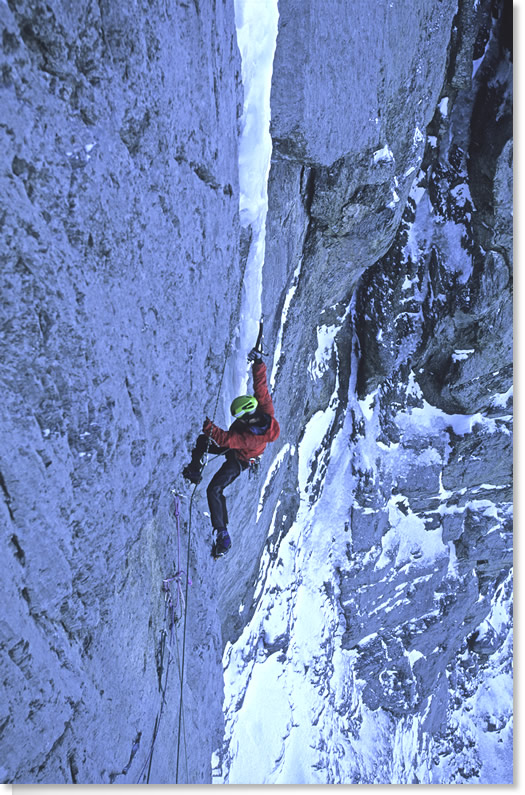 Swiss climber Ueli Steck on the North Wall of the Eiger, 2008, photographed by Robert Boesch ©
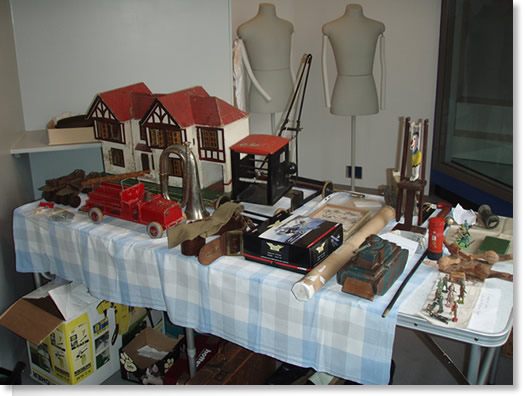 Objects for the showcases piled up on a table waiting to be given breathing space
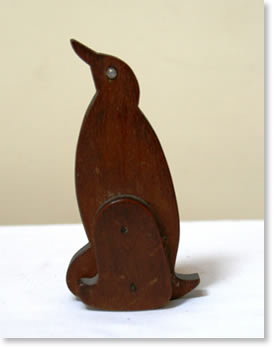
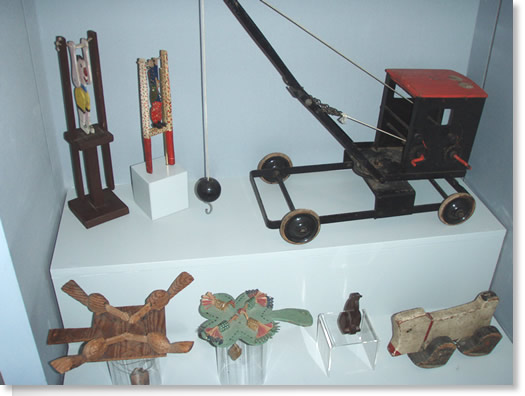 A corner of the toys’ showcase with the penguin and the crane living happily side by side

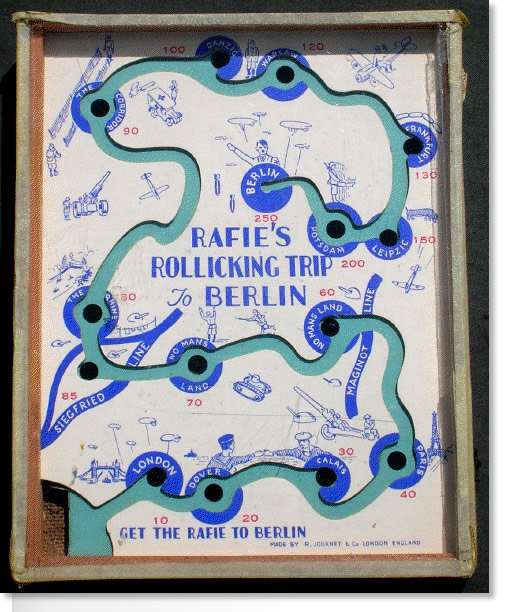 Second World War board game owned by Mrs Joan Hale, Oxon.
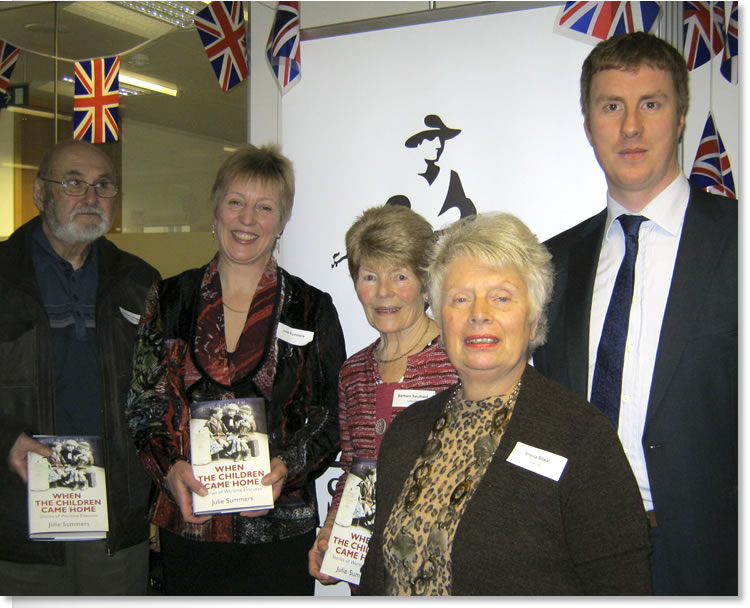 Norman Andrews (former evacuee), Barbara Southard, who appears on the front of the book with her arms around her little brother and sister, Sheila Shear (also a former evacuee) and Mike Jones, my editor at Simon & Schuster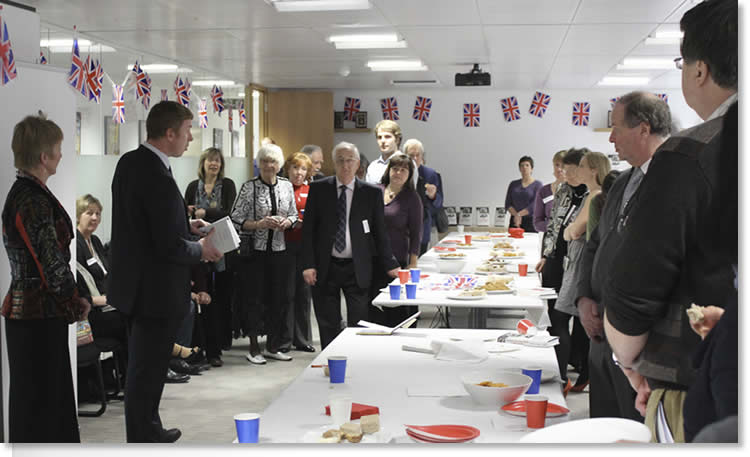
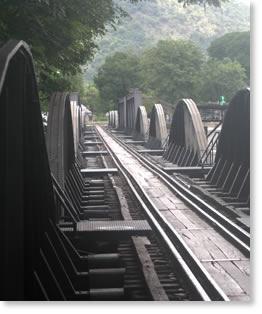 Bridge over the River KwaiI had an inkling that this was what he had wanted to talk to me about, as he had hinted as much in his earlier emails. I leaned forward too. This was fascinating stuff. A monologue examining the thoughts and feelings Toosey had when he was commanding those camps along the railway. It would explore the story of the Kwai from a completely different angle:the psychological. How thrilling. I sat back. ‘Who is writing the play?’ I asked. John replied. ‘You are’. I nearly spat my drink across the table. I am not often wrong-footed but this one caught me completely unawares. I spluttered and protested and said I couldn’t and so forth. ‘Oh, shut up!’ he said, impatiently, ‘of course you can do it.’ So I am. Doing it, that is. It is a colossal challenge and one I’m going to have to work incredibly hard at as I have never written any drama before. But I have long wanted to. Radio plays have always appealed to me and I have occasionally day-dreamed about finding the perfect subject for a Radio 4 afternoon slot. But it has never been more than just a day-dream.
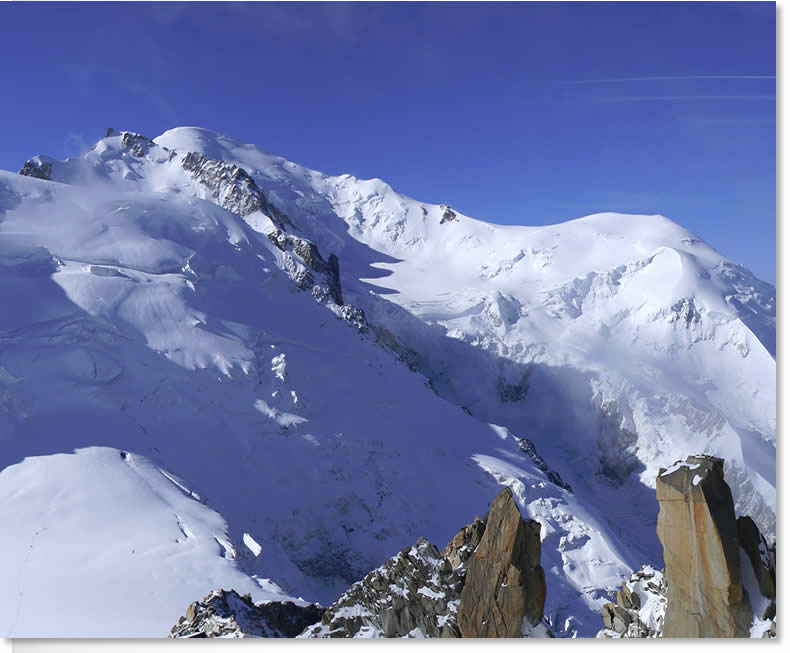 The real Mont BlancPen Thoughts
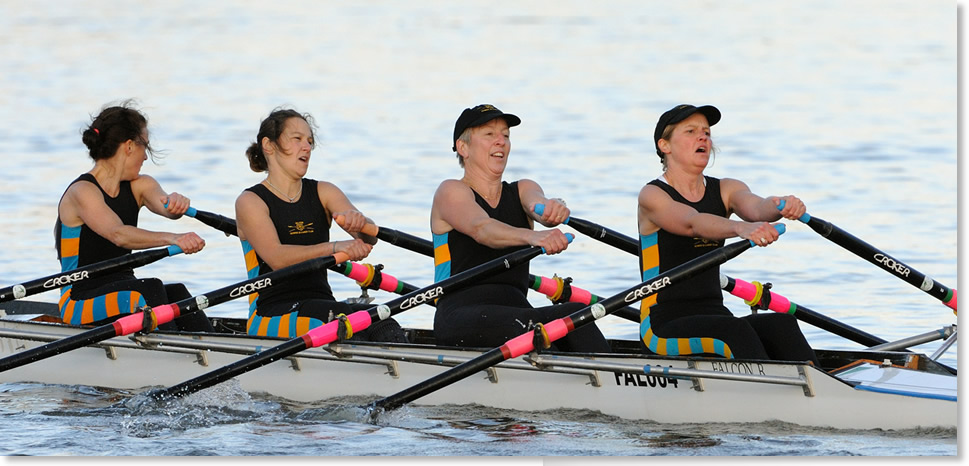
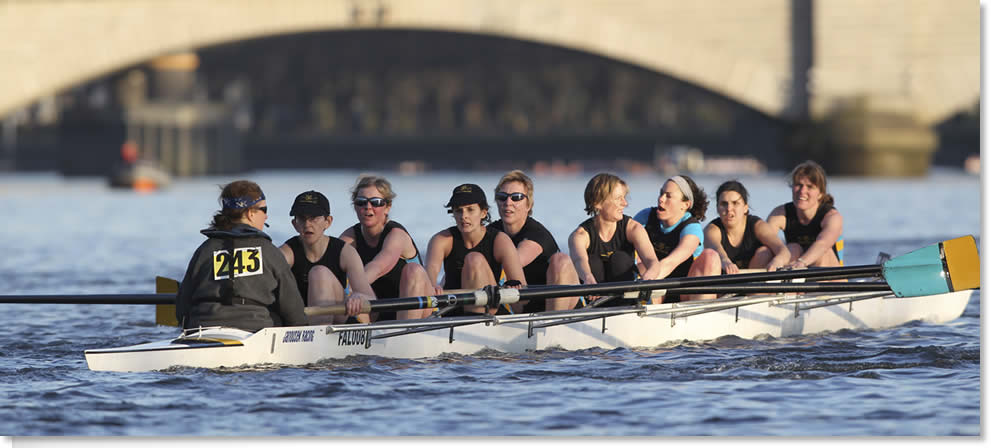 Falcon Rowing Club Women’s Eight rowing towards Barnes Bridge (and doing a spot of sightseeing en route) From bow: Ali, Anna, Emma, Caroline, Julie, Claire, Zena, Naomi and Lil (cox)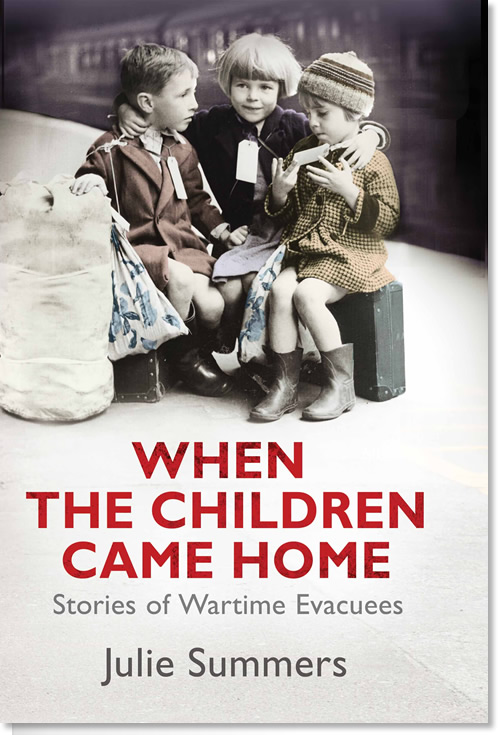
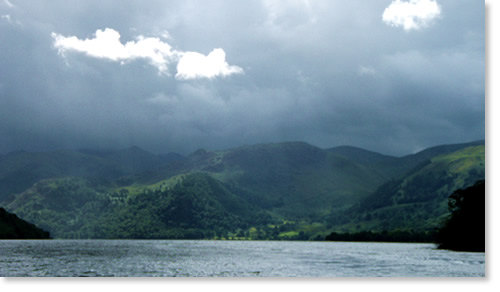 Ullswater, Cumbria.

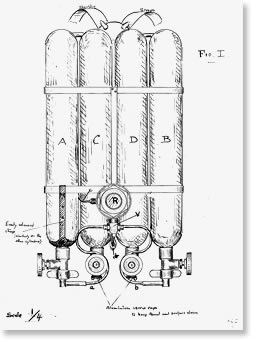 Sandy Irvine’s sketch for the redesign of the oxygen apparatus for the 1924 Mount Everest expedition© Merton College, Oxford
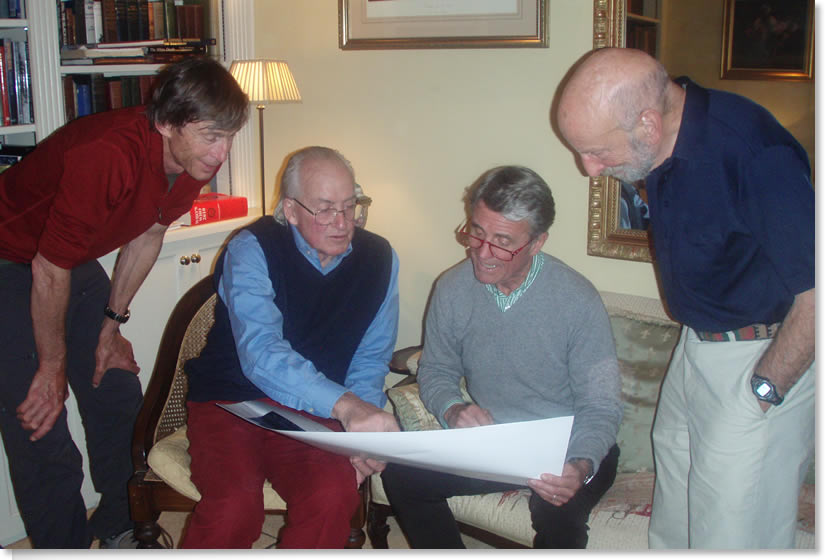 l-r: Tim McCartney Snape, Doug Scott, Peter Habeler and Tom Hornbein, climbed Mount Everest in 1984, 1975, 1978 and 1963 respectively.
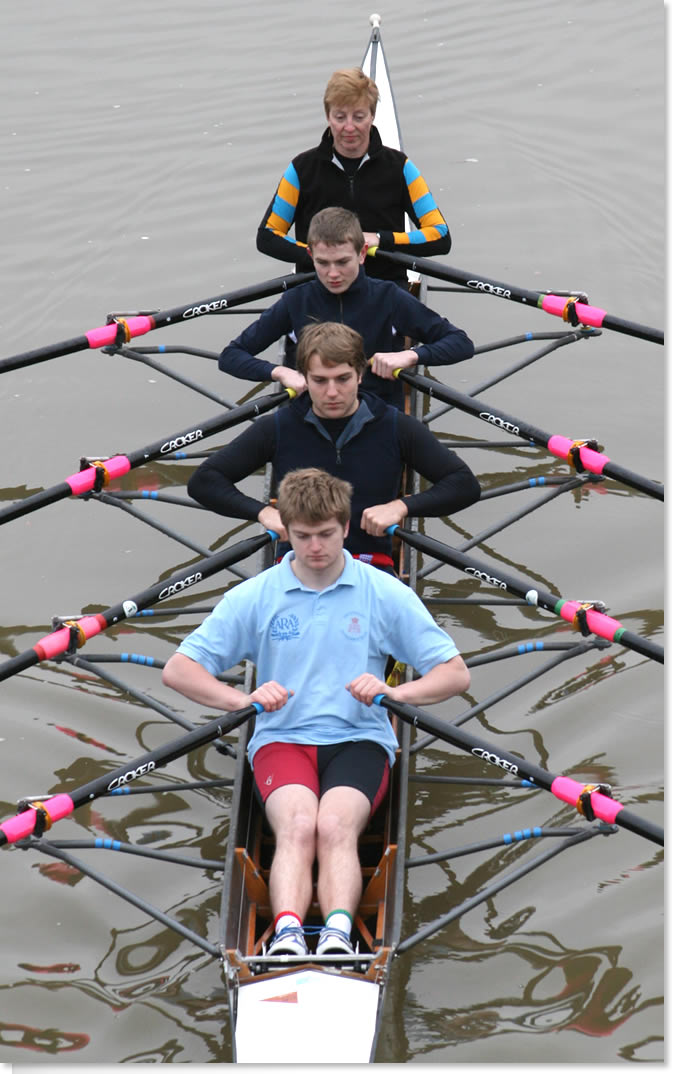 Richard, Simon, Sandy, Julie on the Isis, 30 December 2010And Finally…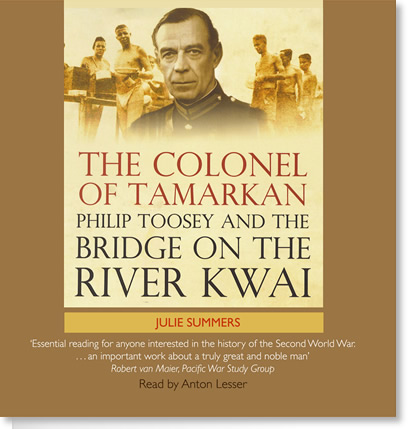
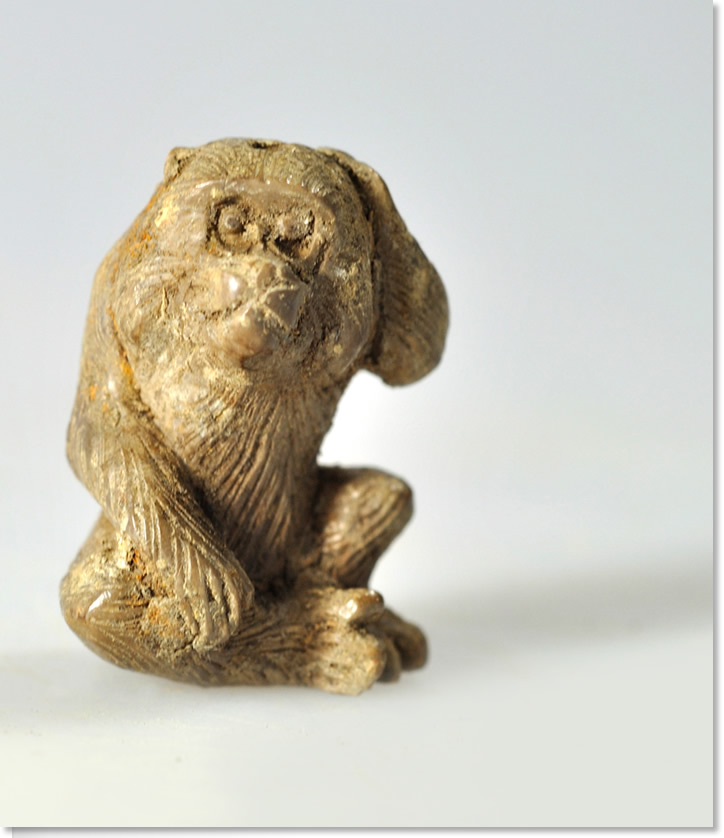 Resin monkey found in a grave at Pheasant Wood,
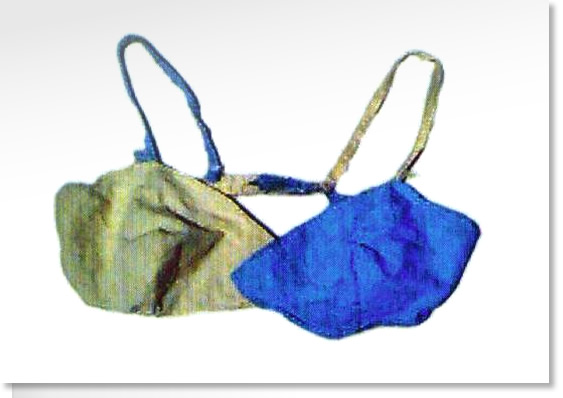 A bra made out of scout ties in Stanley internment camp
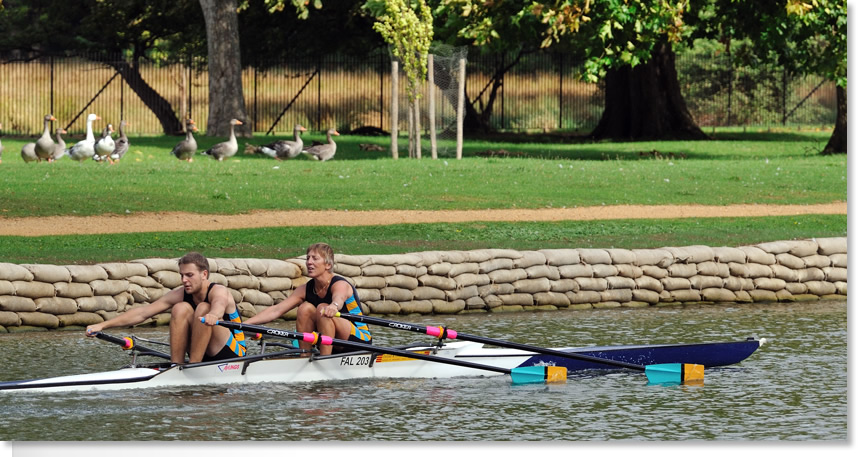 SB and Julie: Simon and Julie racing (and winning) the semi-final of the Elite Mixed Doubles at City of Oxford Regatta in August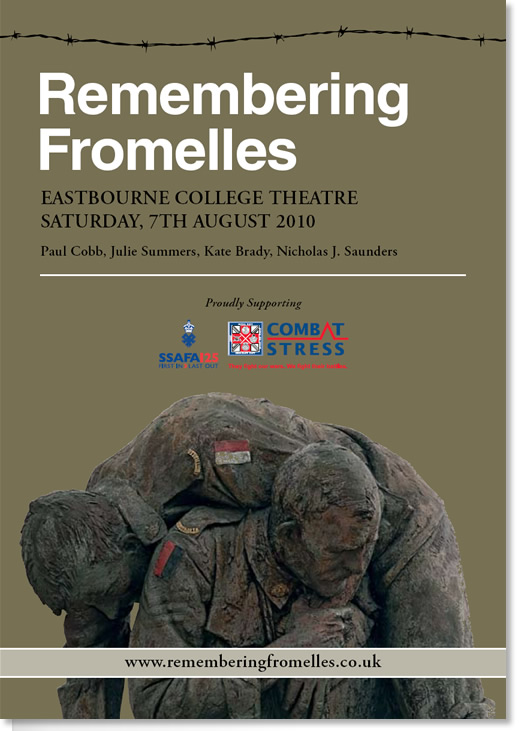
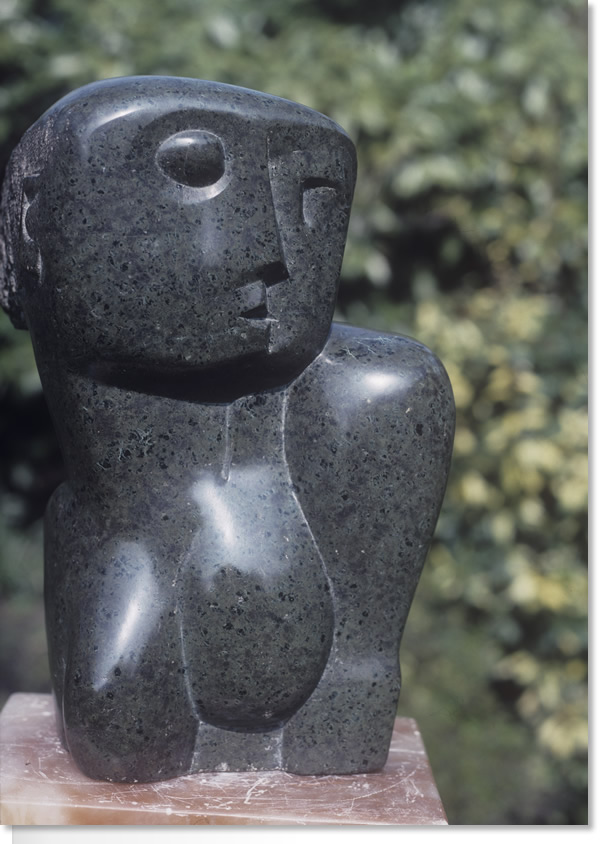 Head and Shoulders 1927
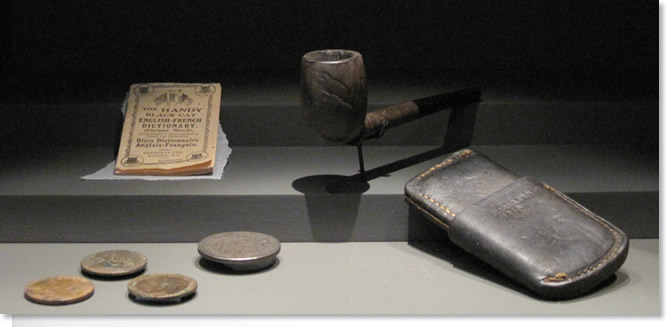 Showcase in Remembering Fromelles at the IWM showing coins, leather matches case, pipe and phrase book, all found in the Fromelles area
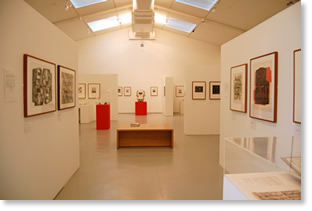 Henry Moore Deluxe: Books, Prints & Portfolios
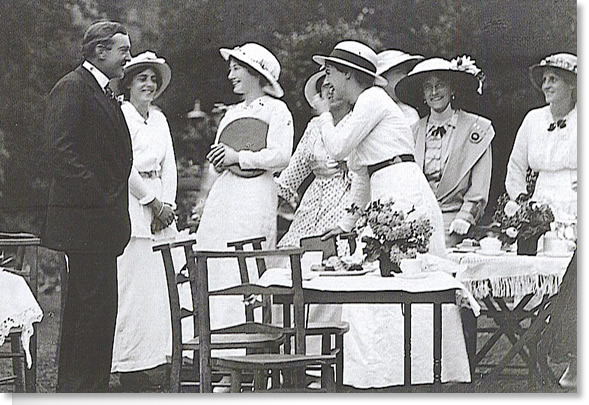 Sir Ernest Shackleton charming a group of ladies at a garden party after the Nimrod expedition.
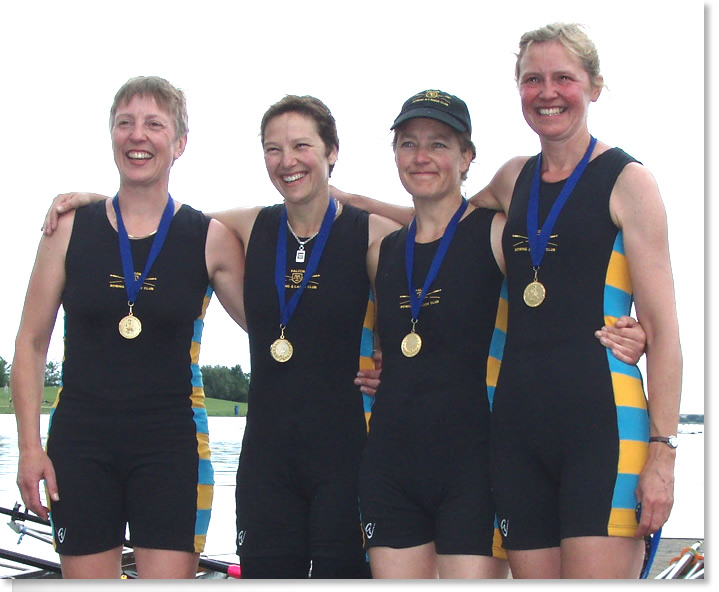 Left to right: Julie, Jude, Lil, ZenaAnd Finally…
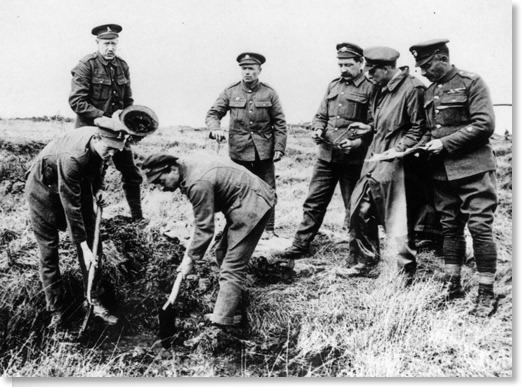 men of a Graves Registration Unit in the early
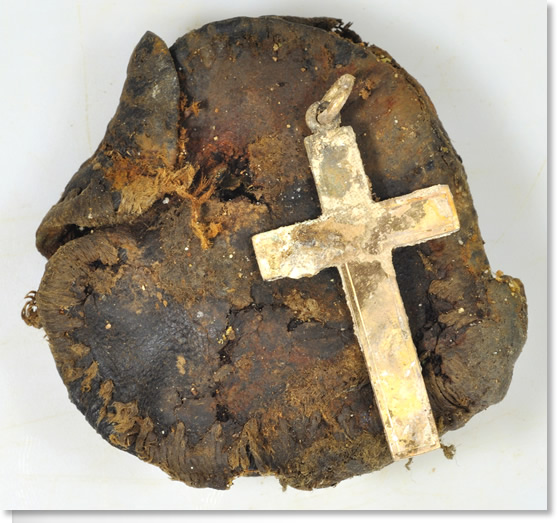 This leather pouch containing a crucifix was one of the personal items found during excavations at Fromelles in 2009
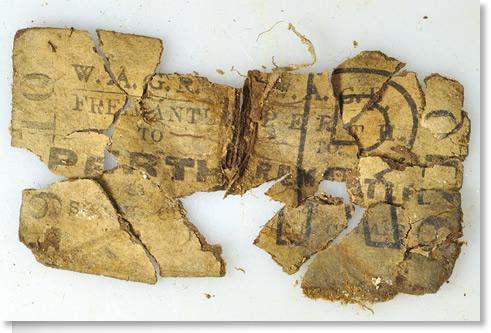 Return ticket from Fremantle to Perth. This really took my breath away, it was so poignant to find something so recognisable and obviously meant to be kept for reuse.At the beginning of March the Joint Identification Board, responsible for pronouncing on the findings of the archaeologists, forensic specialists and DNA experts of the Fromelles project, came up with the names of 75 men who they were able positively to identify. These men died in the Battle of Fromelles on 19th and 20th July 1916 and were buried in a mass grave by the Germans afterwards. Overlooked in the battlefield clearance in the 1920s they were found in 2008 after years of research, and the Commonwealth War Graves Commission was asked to oversee the task of exhuming the bodies, identifying them where possible and reburying them in a specially constructed new CWGC cemetery a few hundred yards from the place where they had been lying since 1916. My task has been to produce an exhibition and a book (opening & publication 1st July 2010) to mark the project, since it is the first new CWGC cemetery to be built in half a century. So, with the help of experts who worked on the dig, forensic scientists and the team responsible for the new cemetery, we have put together what I hope will be an interesting overview of an extraordinary undertaking.
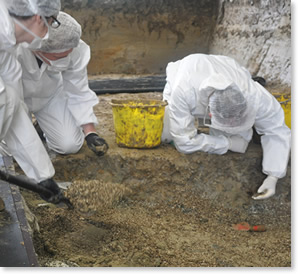 Archaeologists carefully examine the soil in
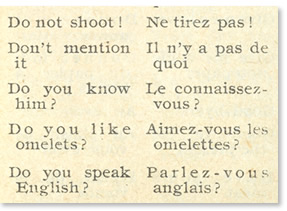 This is a clean copy of the phrase book that
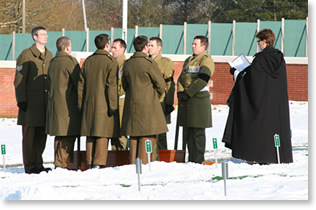 Funeral at Fromelles taken by
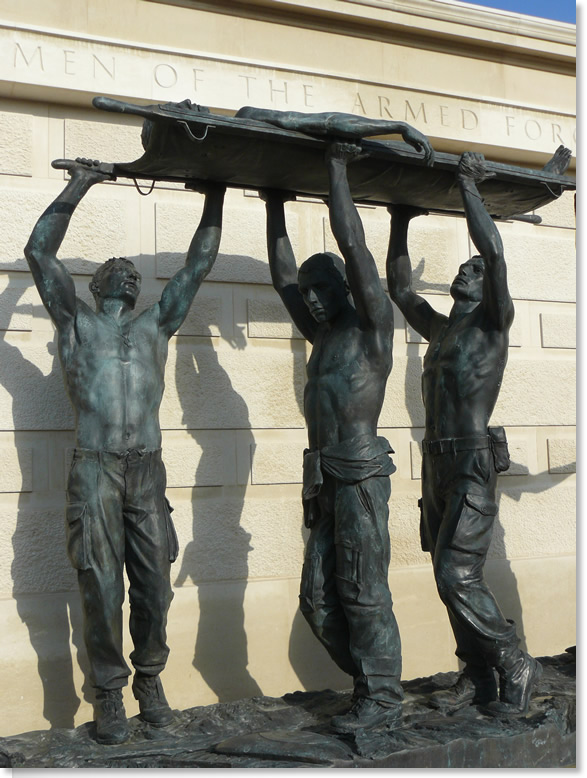 sculptural group on the Armed Forces Memorial by Ian Rank-Broadley
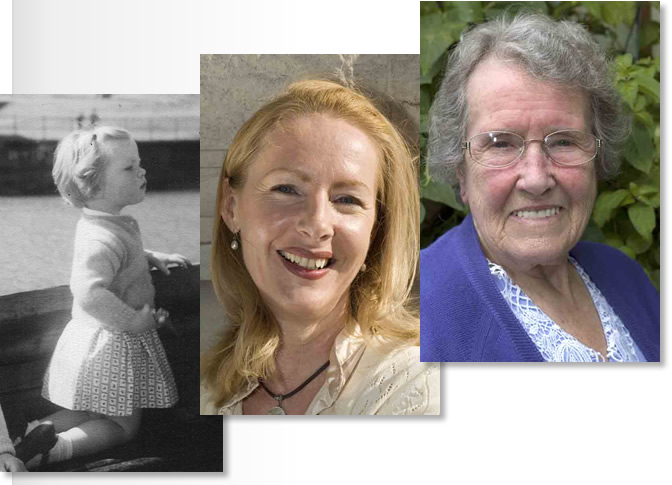 Left to right:
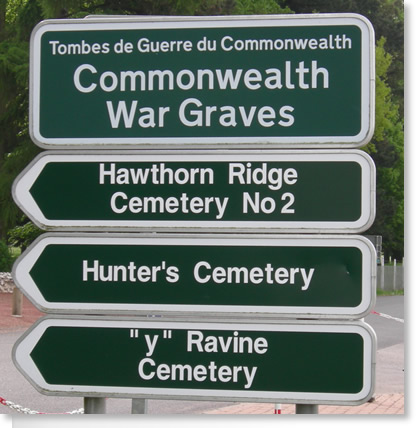 Signs to cemeteries at Beaumont-Hamel Memorial Park on the Somme. Many of those 650 or so men buried here died on the first day of the Battle of the Somme.The audio-CD of The Colonel of Tamarkan, which came out in the late summer, has enjoyed super reviews in the broadsheets. Meanwhile, I finished the draft of the book on war cemeteries for Shire Publications, which should come out some time next summer. It was poignant to be writing that book in the lead up to the first Armistice Day on which there were no more surviving veterans from the Great War. Although the first war cemeteries were built in the nineteenth century, it was really the unparalleled losses of the 1914-18 war that made the work of the then Imperial War Graves Commission both necessary and relevant, and it was the national outpouring of grief during and after that war that shaped our practice of remembrance today. Fittingly, the work I am now engaged upon, which is the publication for the Commission on its new cemetery at Fromelles, leads on from the war cemeteries book.
  Every find discovered at Fromelles is minutely examined. Some are personal, some generic but each is a potential clue to the identity of a man buried here.I have spent the past few weeks in conversation with archaeologists, DNA experts and photographers who have been involved in the recovery of the 250 sets of remains from mass graves dug by the Germans after the Battle of Fromelles in July 1916. There have been some surprising details and moving stories, many of which we will try to weave into the book and Imperial War Museum exhibition for July 2010.
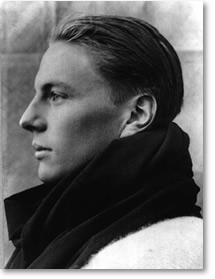 Sandy Irvine, 1923The film focuses mostly on Mallory, the more famous of the two men, but Sandy gets plenty of puff and comes across as a serious athlete, a charismatic young man with energy and character bubbling over in equal measure and as just the man you would want on an expedition to fix your oxygen apparatus. So, an accurate portrayal.
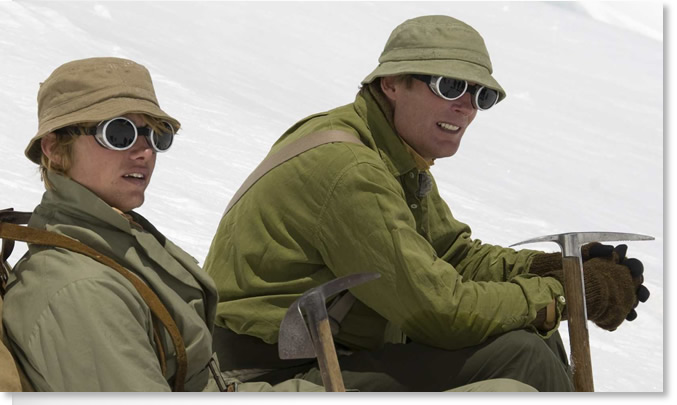 © Atlantic ProductionsA delightful surprise in the film is Leo Houlding, one of Britain’s most talented young climbers, who went to Everest in 2007 to take the part of Sandy in the reconstruction. Leo (left) and Conrad Anker as Mallory were to climb part of the way up the mountain in 1920s kit and, perhaps more importantly, they planned to climb the so-called Second Step, a 60ft rock cliff close to the summit pyramid, which climbers have long argued would have stretched Mallory, and certainly Sandy Irvine, to the limits. Leo, at 26, was just a little older than Sandy. What is compelling about his performance, which seems wholly genuine, is his delight at finding himself part of this remarkable story and about to climb the highest mountain on earth. The resonance between him and Sandy is so strong at times that I found I had to pinch myself.
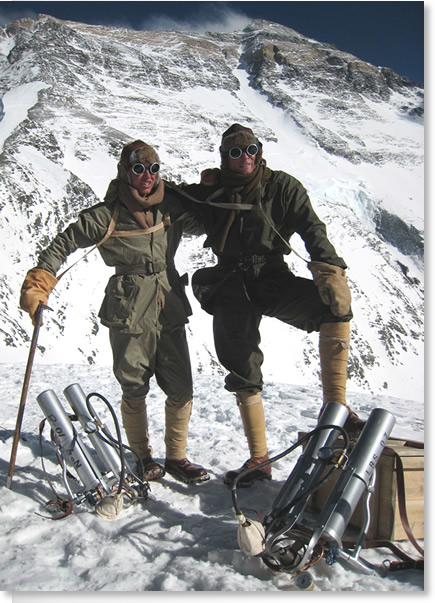 Leo Houlding (left) and Conrad Anker, dressed in replica 1924 clothing, created after careful study of the clothing.
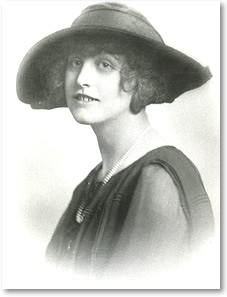 Marjory SummersSandy Irvine had a brief but indiscreet love affair with Marjory Summers, the very much younger second wife of Harry Summers (my great grandfather). Marjory, who had been a chorus girl when she married Harry at the age of 19, found life married to her stout, balding, fifty-two year old husband quiet. Dull even. So she found her own forms of entertainment in Flintshire, where she and Harry lived from 1917. By the time she threw her hat at Sandy in 1923, when he was twenty-one and she twenty six, she had thrown caution to the winds as far as her marriage was concerned. In a move of the utmost audacity she followed Sandy to Norway when he went with the Merton College Arctic expedition to Spitsbergen in July 1923. This much is already known.
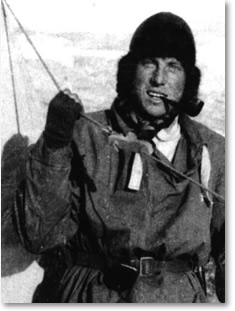 Sandy in Spitsbergen outside his tentI found Sandy’s diary from the expedition in the library at Merton College, Oxford. He wrote that the ladies of the party had travelled in first class berths and that he and the other expedition members had been consigned to steerage. But on the last night that they were on board, before the party divided and the ladies went home, Sandy visited Marjory’s cabin at five o’clock in the morning and made love to her three times before breakfast. The ladies departed that morning and Sandy spent three hours asleep on a box of biscuits in the customs’ shed prior to leaving Tromso for the islands in the Norwegian archipelago.
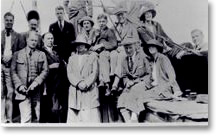 The Merton College Arctic expedition with ladies. Marjory seated top right next to Sandy in a flat cap smoking his pipe.When I discovered this sensational snippet I rang my father, who immediately said that he thought it inappropriate to publish such detail in my biography of Sandy. Being slightly in awe of my father and certainly respectful of his wishes I desisted and the story did not appear. A decision I have regretted ever since. Until now, that is. Now you all know. But what makes me laugh is that this information was too much for National Geographic as well. They demanded that Atlantic Productions cut the story from the film. Which they did. Bird pecked body parts yes, stories about sexual prowess no. Hmm. Let’s hope Sandy’s story makes it into the British version of the film.
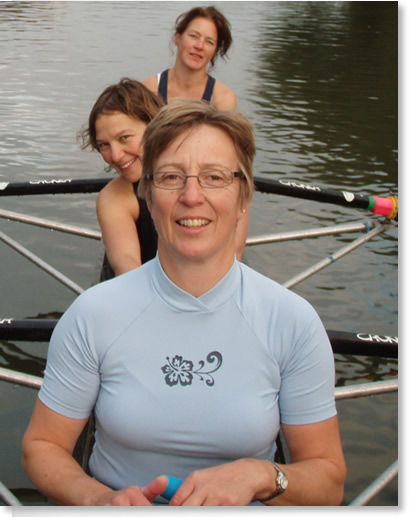 Julie in the 3 seat with Jude and Lil on the Isis,
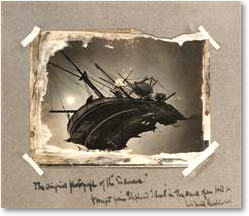 The original photograph of ‘The Endurance’ brought from Elephant Island to South Georgia by Sir Ernest ShackletonWhat is significant about the photograph, taken by Frank Hurley and developed and printed by him after the ship had gone down, was that Shackleton carried it with him in his pocket when he sailed from Elephant Island to South Georgia to raise the rescue mission for the men left behind. Now here’s the critical thing as far as I am concerned. Frank Hurley took a photograph of a sinking ship. Fine. He developed the glass plate (approximately 12″ x 8”). Where? On the ice. In a tent. Then he made a little print for Shackleton. Not a big one, he couldn’t have fitted a big one into his pocket. Where? Presumably also in a tent on the ice. Moving ice at that. In fact we know that Hurley kept a selection of the photographs he had taken on the voyage, prior to The Endurance being swallowed by the ice, because it is recorded that he and Shackleton had to make the terrible decision to jettison the majority of the glass slides as they were so heavy. Still, Hurley managed, in those extreme circumstances, to keep with him sufficient equipment to photograph, develop and print pictures. And then Shackleton succeeded in making his extraordinary journey in a lifeboat, the James Caird, from Elephant Island to South Georgia, some 800 miles across some of the heaviest seas in the world. He carried the photograph with him in order to prove who he was and what had happened to his ship. It is only slightly more remarkable that the photograph still exists and, perhaps, that I managed to find it. Picture research is often underestimated but when we researchers find gems it is thrilling and they should be made the most of.